⏱ About 3 min read
Stanford University Compiles Scientific Evidence on Fermented Foods. Contributions to Gut Diversity, Immunity, and Inflammation Confirmed.
Stanford University has brought together the scientific evidence on fermented foods all in one place. In March 2025, a research team from the university’s Division of Microbiology and Immunology and the Center for Prevention Research published a paper in the peer-reviewed journal Advances in Nutrition. It’s a careful synthesis of data from multiple clinical trials—showing us where fermented food research stands right now.
Clinical trials confirmed a reduction in inflammatory markers
The clinical trials analyzed in the paper varied widely: participant numbers ranged from 36 to 3,454 people, and study periods lasted anywhere from two weeks to four years. What emerged consistently across all these studies was a clear finding: groups that consumed fermented foods regularly showed a decrease in inflammatory markers. And inflammation is deeply connected to lifestyle diseases and immune imbalances. The simple act of continuing this practice might be quietly dampening that “hidden fire” burning inside our bodies.
Gut microbiome diversity increases
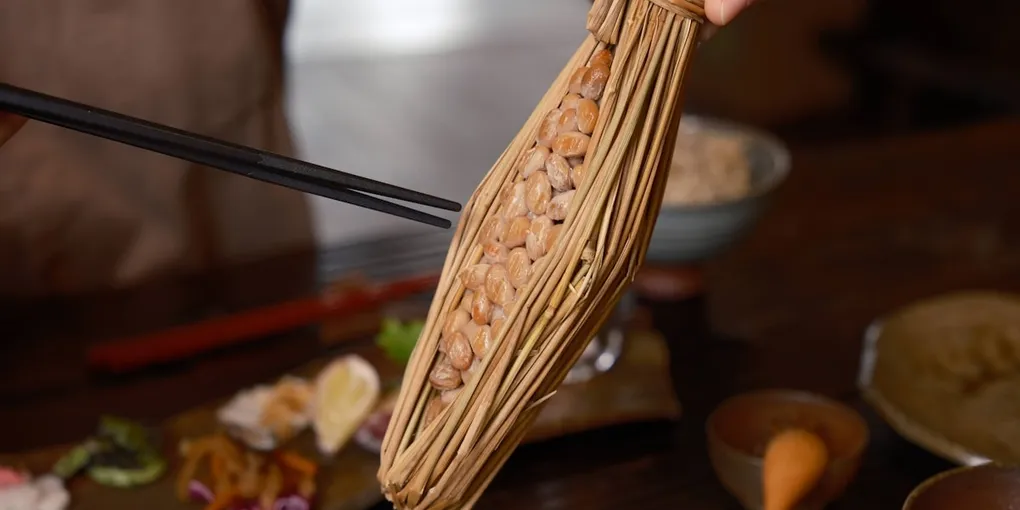
The research confirmed another important aspect—the impact on our gut microbiome. Consuming fermented foods works to increase the “diversity” of gut bacteria. The higher this diversity, the better our immune regulation becomes, and the more stable our metabolism tends to be. A bowl of miso soup, a package of natto, a slice of nukadoko (fermented rice bran pickle)—these small things, repeated day after day, gradually enrich the “ecosystem” living in our gut.
Fermented foods are created through “microbial and enzymatic transformation”
The research also provides a scientific definition of fermented foods. Fermented foods are manufactured through “the growth of microorganisms and enzymatic transformation of food components.” They’re created as a result of living bacteria doing their work. The miso, natto, and nukadoko you find at the supermarket—they all fit this definition.
Not “effective,” but rather “coming into balance”
The word inflammation always felt like something distant and abstract to me. But in reality, it might be quietly present within our daily fatigue and small discomforts. What I’ve come to feel through continuing with fermented foods isn’t so much “it works” as it is “things are coming into balance.” A bowl of miso soup brings calm. A bite of nukadoko makes a meal feel complete. In this repetition, those small points of unease inside my body seem to slowly settle. The phrase “gut microbiome diversity” felt a bit difficult at first. But now I think of it as similar to the feeling when I stir my nukadoko bed. Precisely because so many different microorganisms coexist there, everything stays stable. It’s the lack of uniformity that creates strength. The reduction in inflammatory markers and the shifts in diversity that the research revealed aren’t anything exceptional—they’re simply an extension of what happens through everyday eating. A bowl of miso soup, a package of natto. Those small, repeated acts are creating real changes inside our bodies. Going forward, I want to focus less on adding things and more on simply continuing. There’s no flashiness to it, but fermentation has the power to make time itself an ally. The body doesn’t change overnight. But it does respond, faithfully. I want to keep quietly building on that sense of trust.
The power of fermentation lives in the time we take to nurture it.
※ This article is based on personal experience and publicly available information. It is not intended to diagnose, treat, or prevent any disease. If you have health concerns, please consult a doctor or registered dietitian. See our Disclaimer.