⏱ About 6 min read
Day Two of My Sanyo Journey: Fresh Seafood Rice Bowl in Hamada and the Strange Rocks of Iwami Tatamigaura
When I woke up this morning, my body felt light.
I’d slept deeply for over eight hours. All the fatigue from yesterday’s travel had completely melted away. A fresh, clean morning.
Tuesday, June 9th. The sky was overcast. The temperature hovered just below 20 degrees Celsius—a little chilly. According to the Hamada forecast, we’d have clouds through the morning and clear skies by afternoon. Day two of my journey began quietly.
A Morning in Hamada, Renting a Car
Today’s plan was to explore by driving around.
At 8 a.m., I picked up a rental car—a new Aqua. The moment I got in, I noticed how pleasant it was to ride in. Quiet, smooth, and a joy to drive. These small discoveries are one of the real pleasures of traveling.
Stepping outside, the air was remarkably clean.
Taking a deep breath, I felt clarity spreading all the way into my chest. This crisp, cool morning air—something you simply can’t experience in the city. Just this alone made me grateful I’d come all this way.
Hamada Fish Center Was Closed
My first destination was the Hamada Fish Market (Hamada Osakana Center).
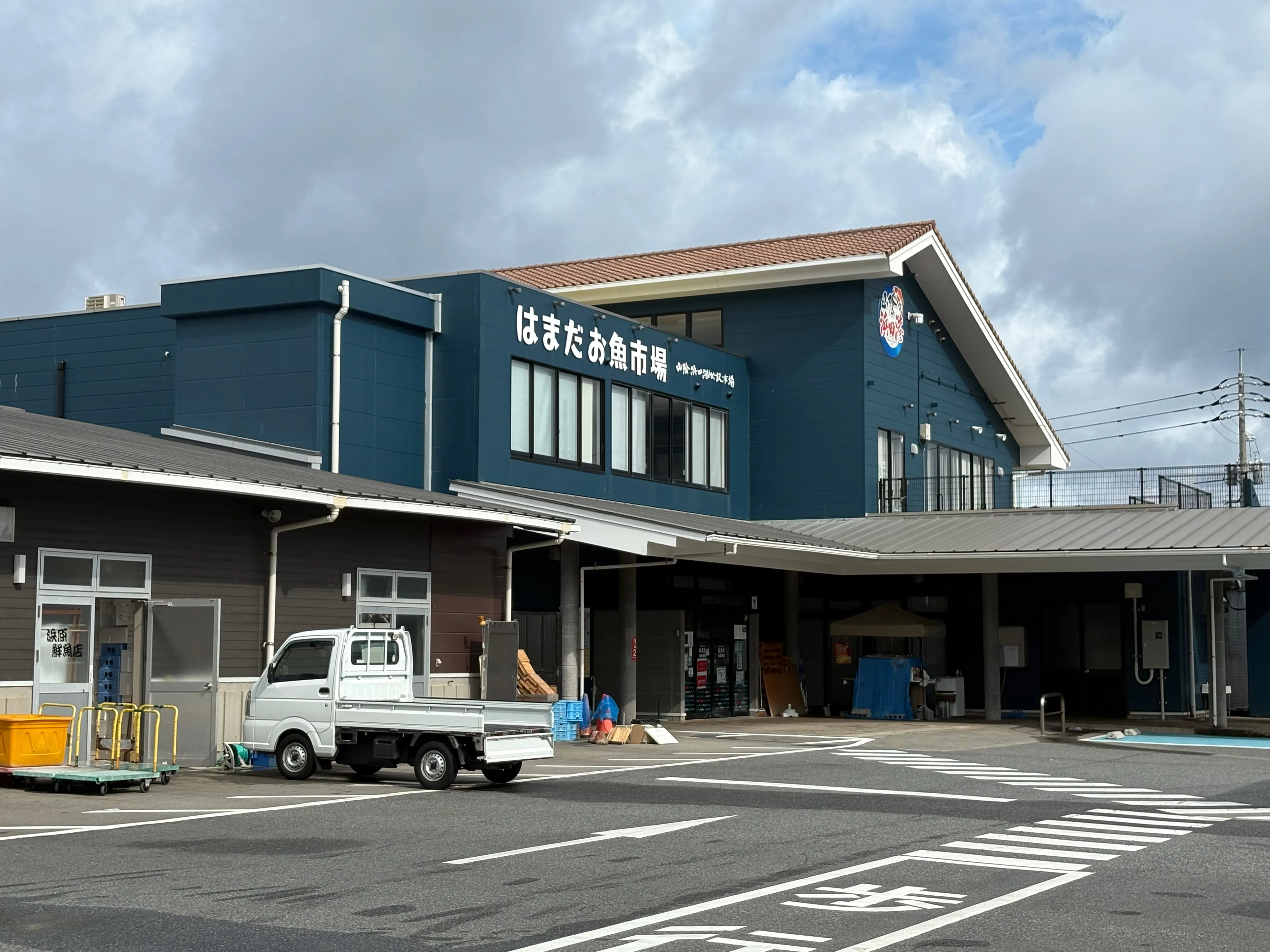
I’d been looking forward to seeing fresh fish. But when I arrived, most of the shops were shuttered. Looking more carefully, I realized they were closed every Tuesday. Disappointing.
Actually, I’d been here before—maybe a couple of years ago? I remember eating fresh sashimi at their restaurant while sipping a cold beer. That taste had stayed with me, which is why I came back. But a day off is a day off. These things happen when you travel.
Yet, I Still Got My Seafood Bowl
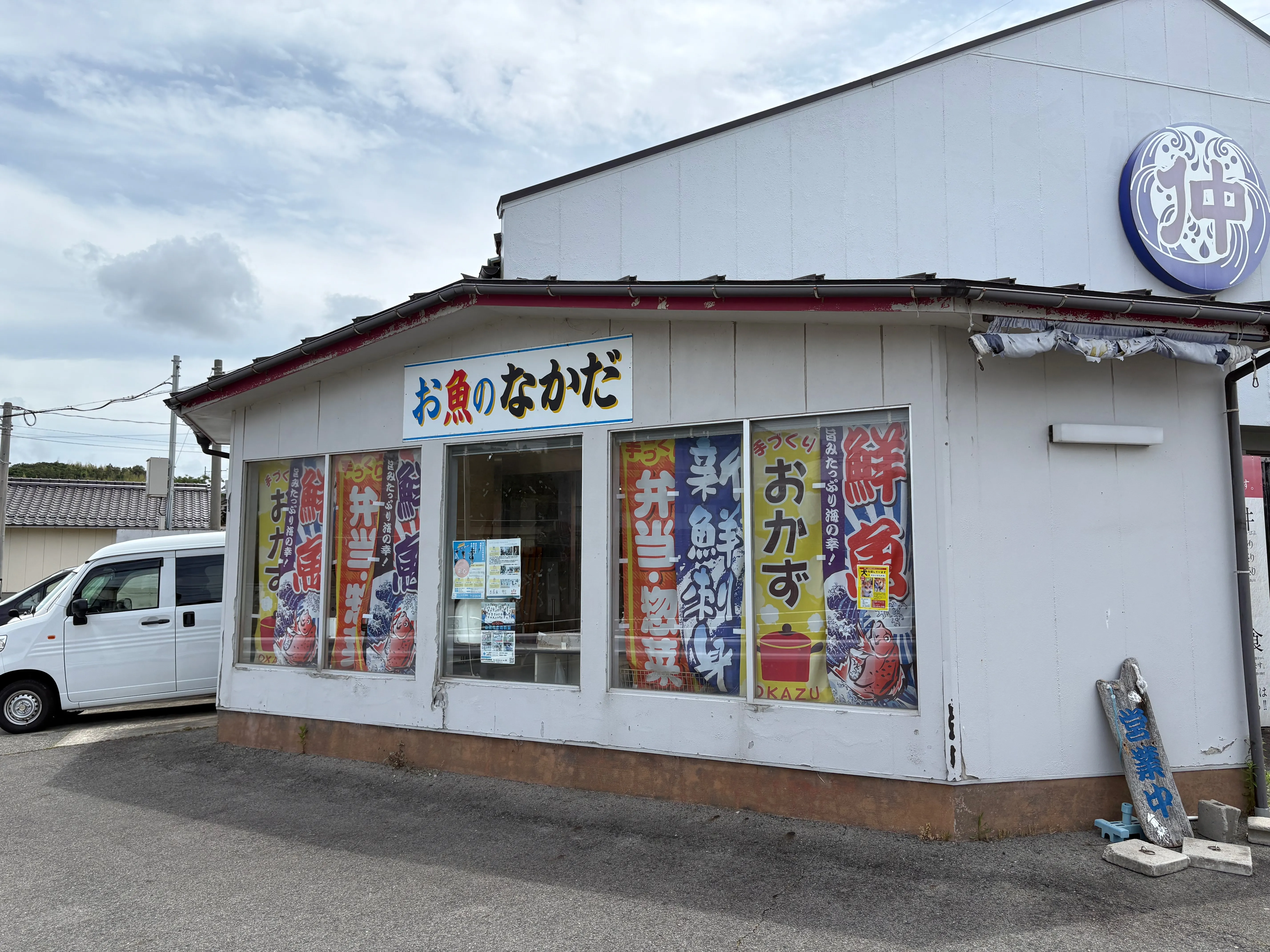
Just as I was about to turn back in disappointment, I spotted another fish shop nearby that was open.
It was called “Osakana no Nakada”—literally “Nakada Fish.” They sold fresh catches and also served seafood rice bowls and sashimi sets right there on the spot. A stroke of luck.
When the seafood bowl arrived in front of me, I couldn’t help but gasp.
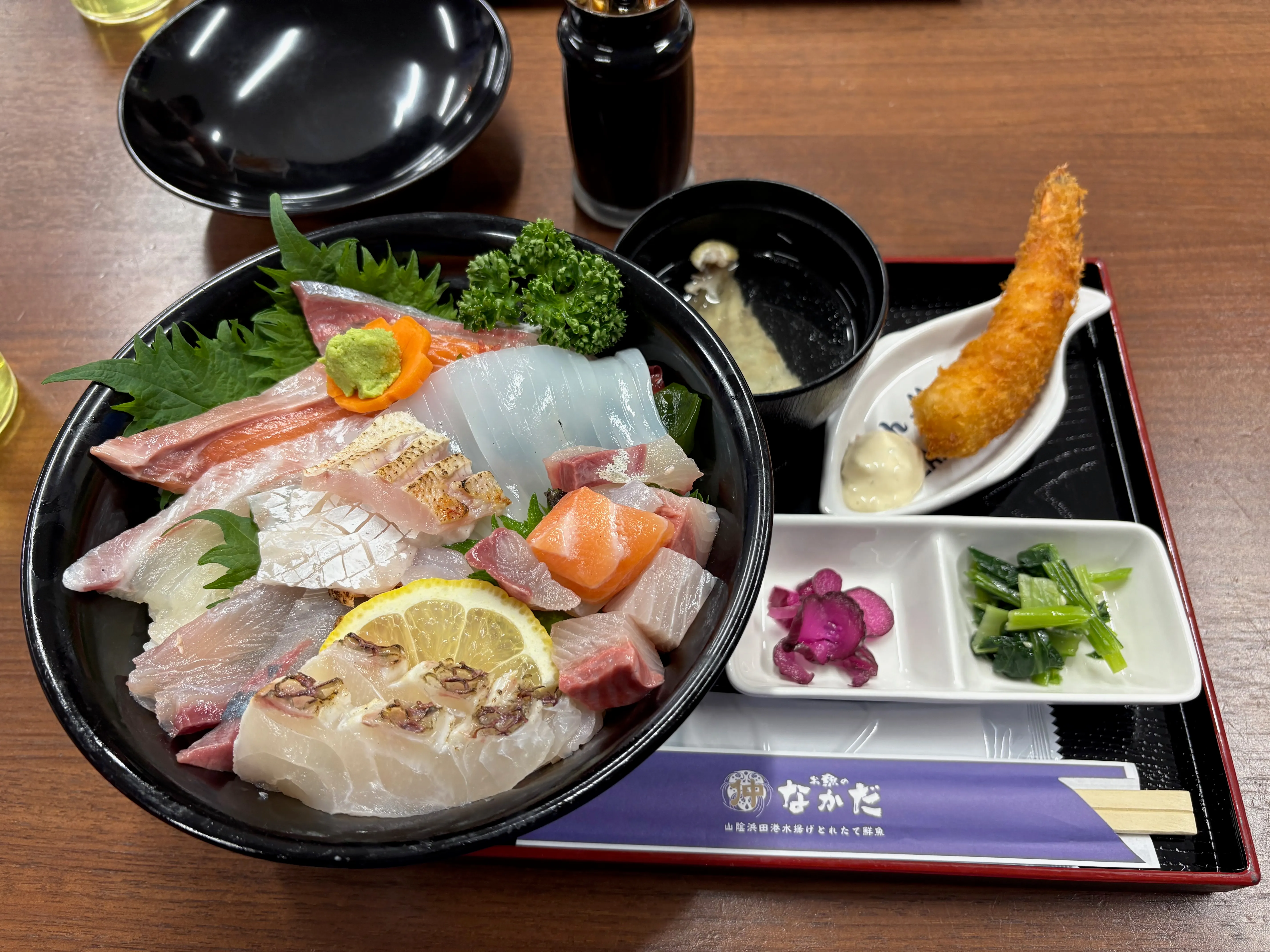
Fresh sashimi piled so high it nearly spilled over the edges of the bowl. Several varieties of local fish—red flesh, white flesh—all gleaming with that fresh, just-caught shine. As I brought a slice to my mouth, the crisp texture and ocean umami spread across my palate. This is what eating fish should taste like in a fishing town.
And the pickles served alongside? A wonderful touch. The richness of the fish paired with the bright acidity of fermented vegetables—this is what keeps the rice disappearing from the bowl. Even here, traveling far from home, I’m reminded that Japanese food is built on the foundation of fermentation.
The Fish Center may have been closed, but I ended up with the most wonderful breakfast. Travel is wonderful precisely because of these happy accidents.
Strolling Through the Harbor
With my belly full, I decided to take a walk through the nearby fishing harbor.
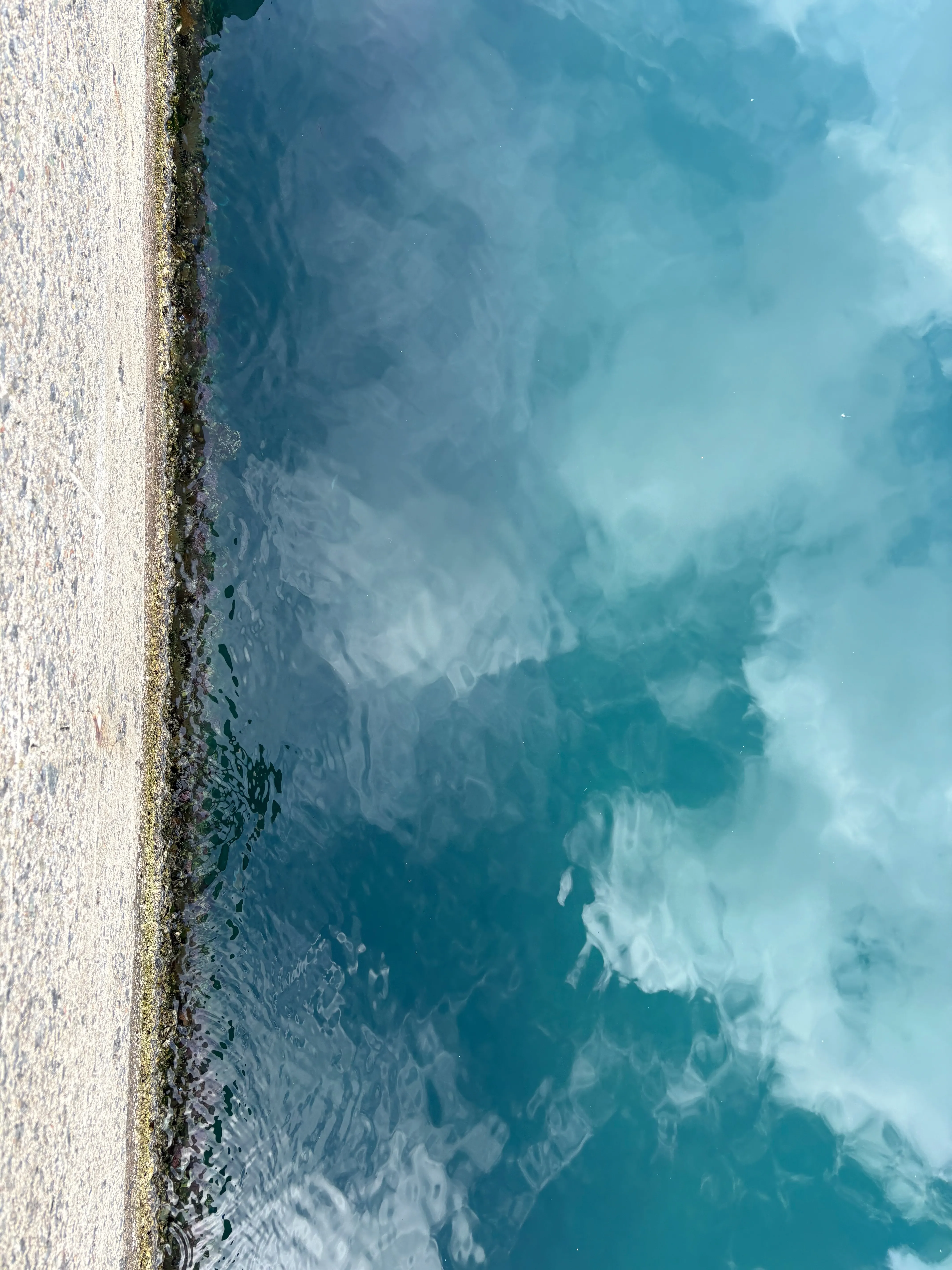
A handful of anglers were scattered about, lines cast into the sea, waiting quietly for a bite. A peaceful scene.
Peering into the water, I could see fish swimming below. Large, flat fish glided slowly past. Blue fish darted swiftly through the water. The water was so clear I could see right down to the seabed.
The smell of seawater reached me—a soft, gentle brine. The waves were calm, gently lapping and retreating with a quiet splashing sound. I was told that depending on the current, even squid sometimes drift into these waters. A rich sea, indeed.
I spent some time here—taking photographs, gazing thoughtfully at the water. Doing nothing in particular. Perhaps this is the greatest luxury of travel.
The Strange Rocks of Iwami Tatamigaura
Next, I headed to Iwami Tatamigaura.
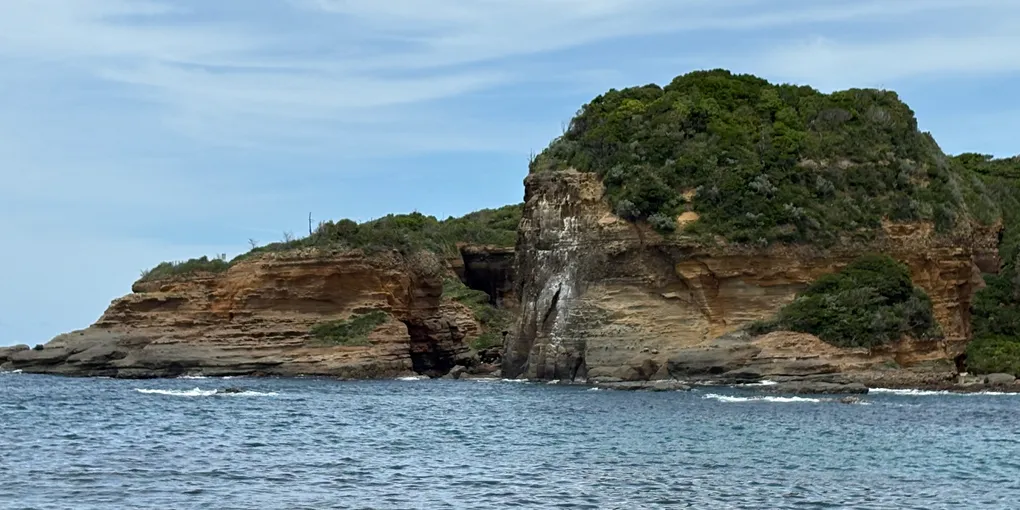
This is a famous coastal area within the Hamada Kaigan Prefectural Natural Park. Over countless millennia, waves and wind have carved out a landscape of remarkable rock formations.
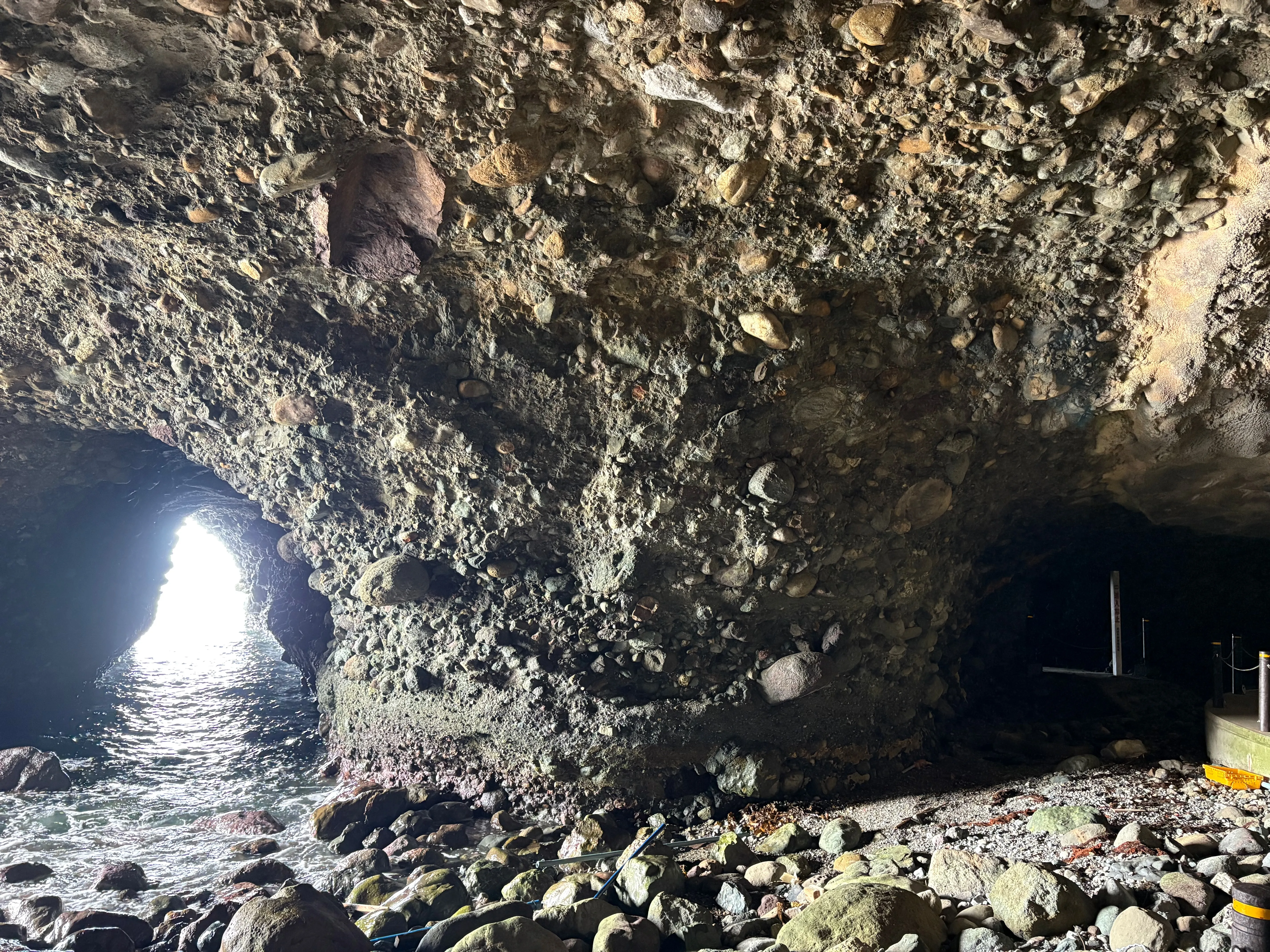
I walked through a cave hollowed out by the sea’s relentless work, and beyond it, the light of the ocean appeared like a sudden gift. The rock ceiling was a jumble of stone formed over millions of years—nature’s own architecture.
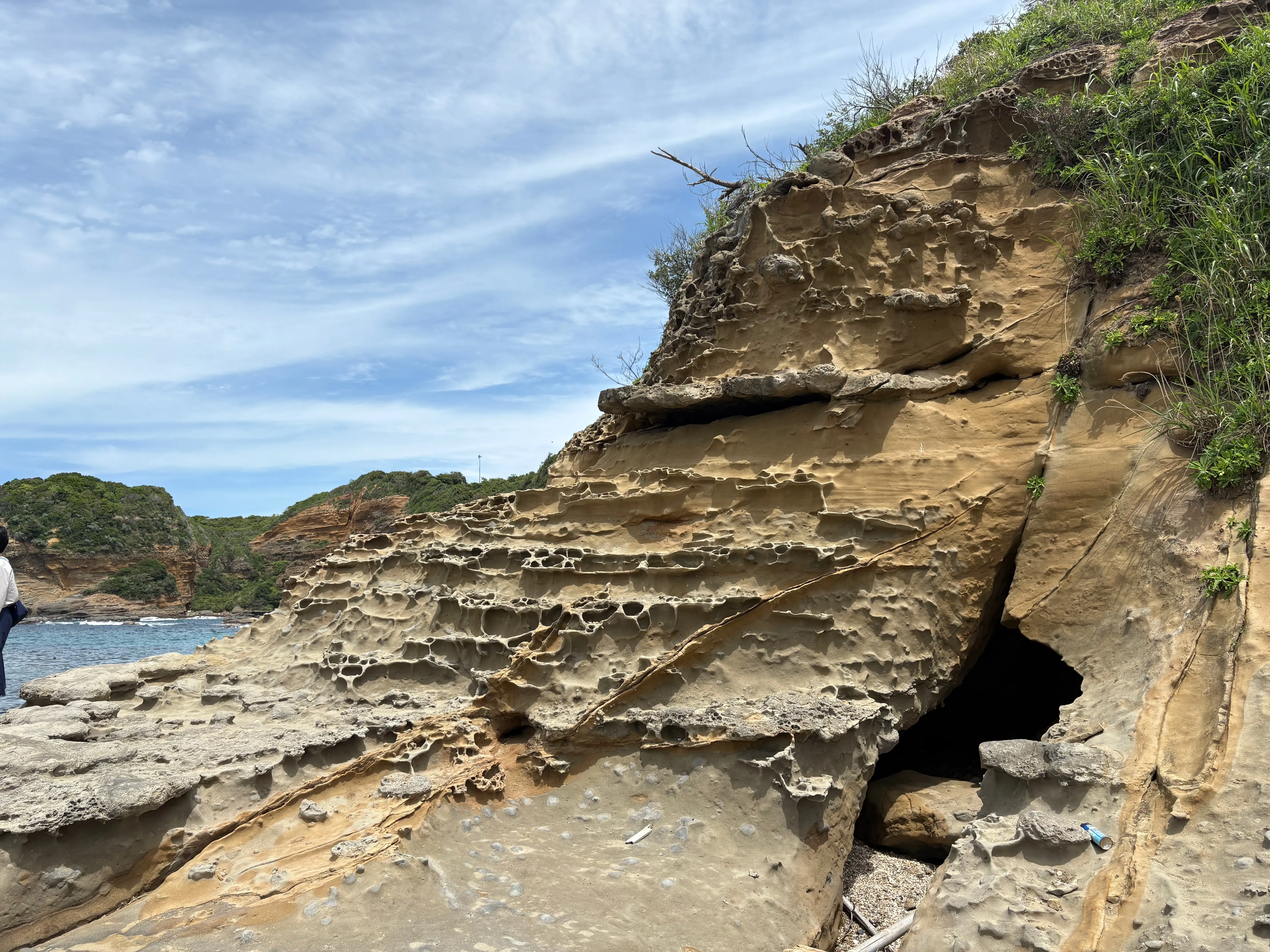
Flat rock shelves spread out like tatami mats laid across a floor, extending far into the distance. The name “Tatamigaura”—literally “tatami shore”—makes perfect sense now. As I walked across the rocks sloping gently toward the sea, I felt the immense passage of geological time beneath my feet.
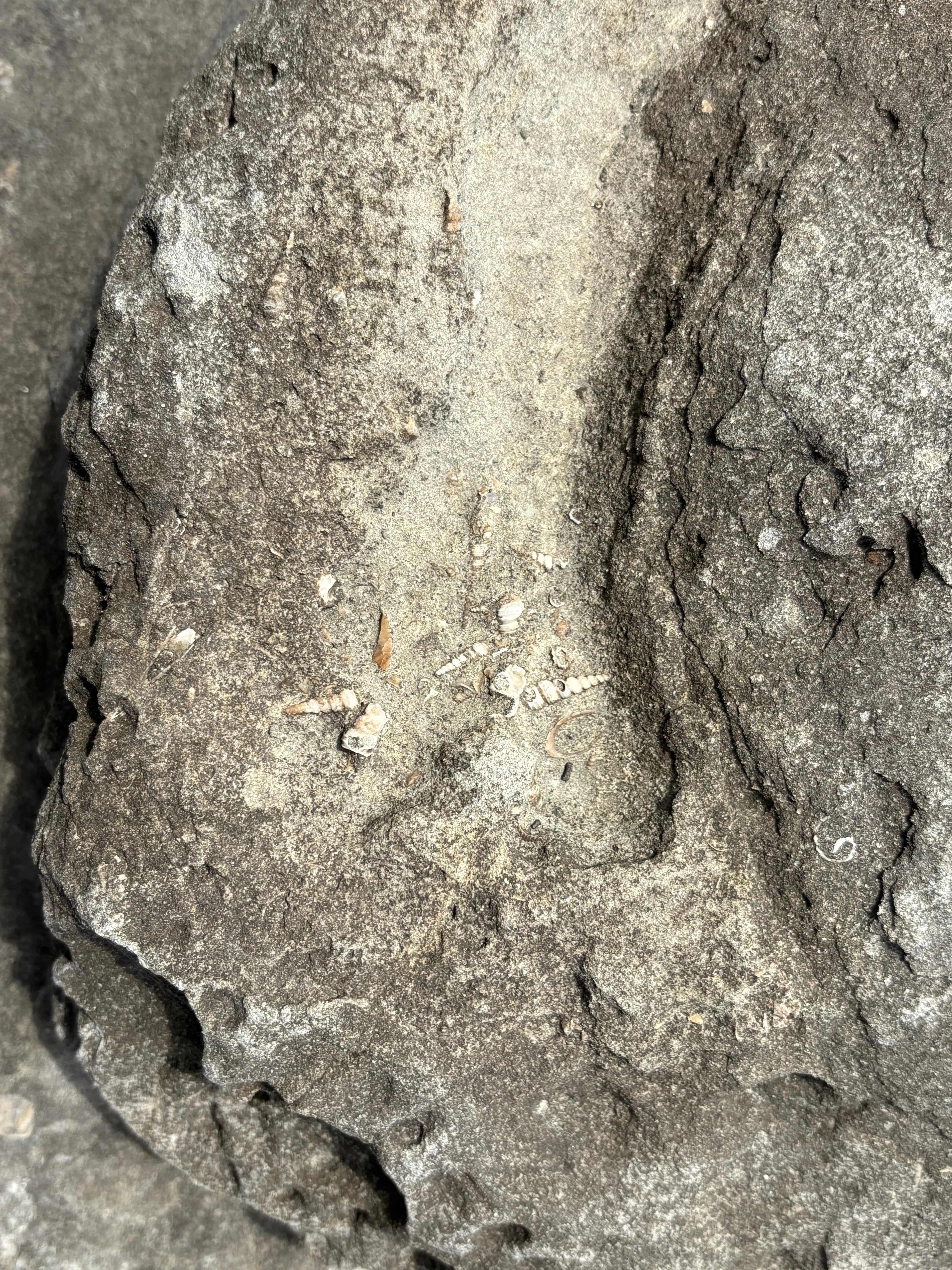
Round stones pocked the rock surface. Looking closely, I could make out what appeared to be fossils—shells, traces of ancient creatures. Hundreds of millions, perhaps hundreds of millions of years were imprisoned in this stone. Realizing that, an ordinary rock suddenly became something extraordinary.
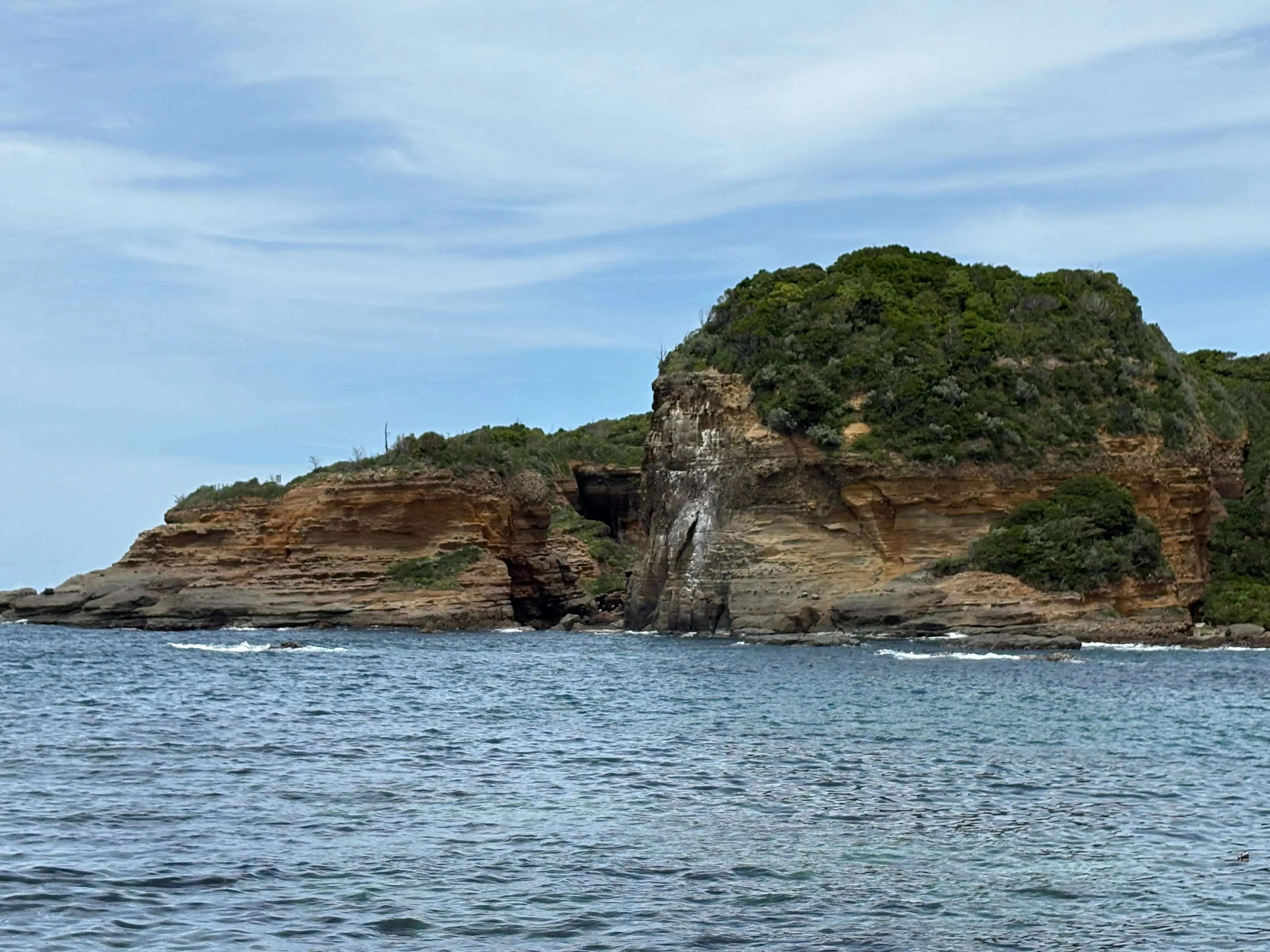
As I walked, the sky began to clear. Just as the forecast promised. Blue sky and blue sea. A bold headland rose defiantly from the water. The view through this clean, post-rain air was simply exquisite.
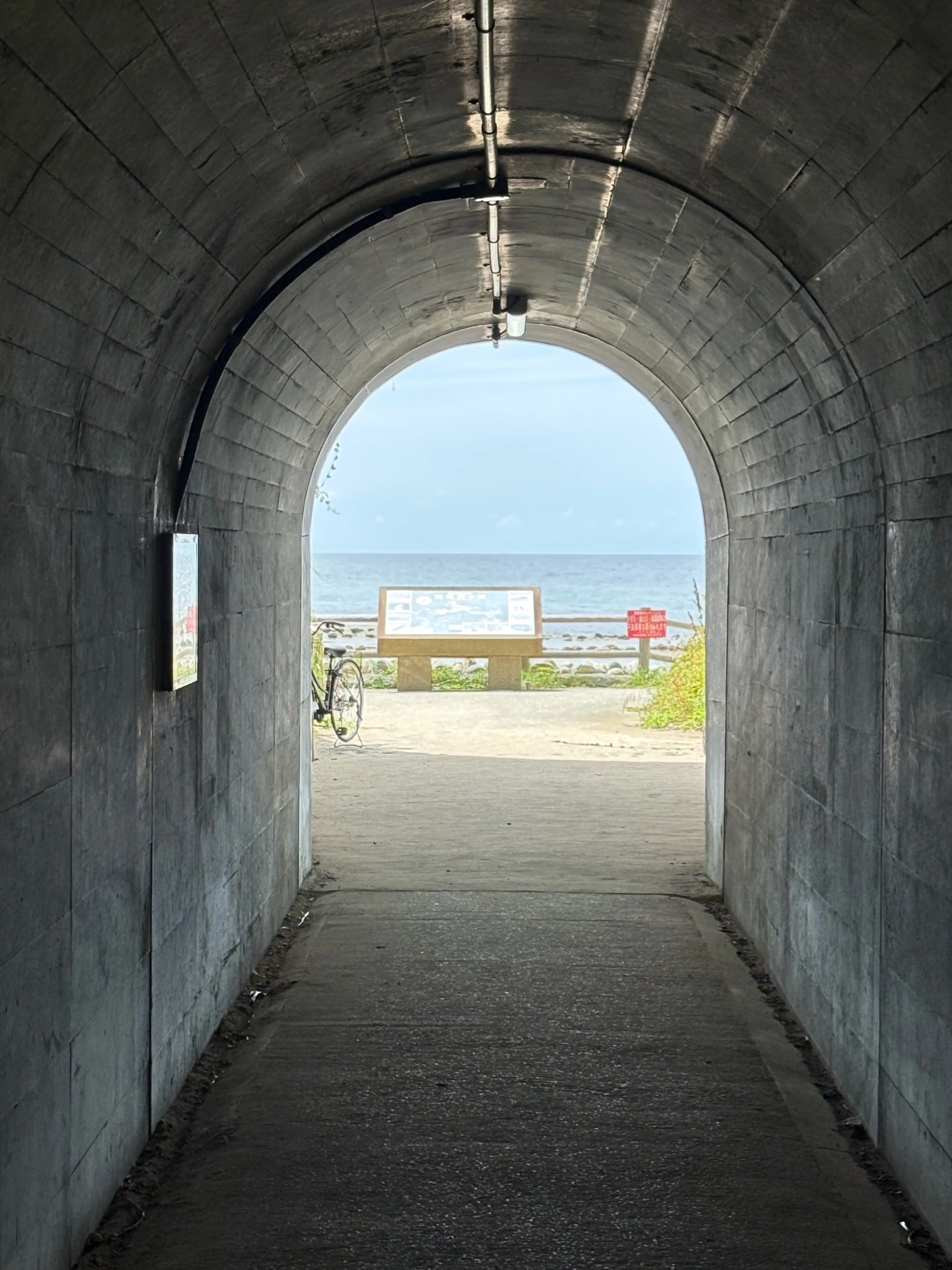
I passed through a tunnel leading to the coast. Beyond the dark passage, light and sea appeared suddenly. The contrast was so beautiful. Each time I emerged from a tunnel, a new landscape awaited. It was rather like traveling itself.
Day Two Is Far From Over
From morning, I’d enjoyed a seafood rice bowl, walked through the fishing harbor, and gazed at these mysterious rocks.
It wasn’t flashy tourism. But tasting the natural world and food of a place slowly, deliberately, with my own feet and palate—this is the kind of travel that suits me best.
Next, I’m driving toward Izumo. From there, two nights and three days ahead. What encounters are waiting for me?
It’s only morning on day two. The real journey is just beginning.
A journey without hurry teaches you a place through the soles of your feet and the tip of your tongue.
※ This article is based on personal experience and publicly available information. It is not intended to diagnose, treat, or prevent any disease. If you have health concerns, please consult a doctor or registered dietitian. See our Disclaimer.