⏱ About 8 min read
Do Fermented Foods Travel from "Mouth" to "Gut"? A Major Review on Plant-Based Fermented Foods and Your Body's Microbes
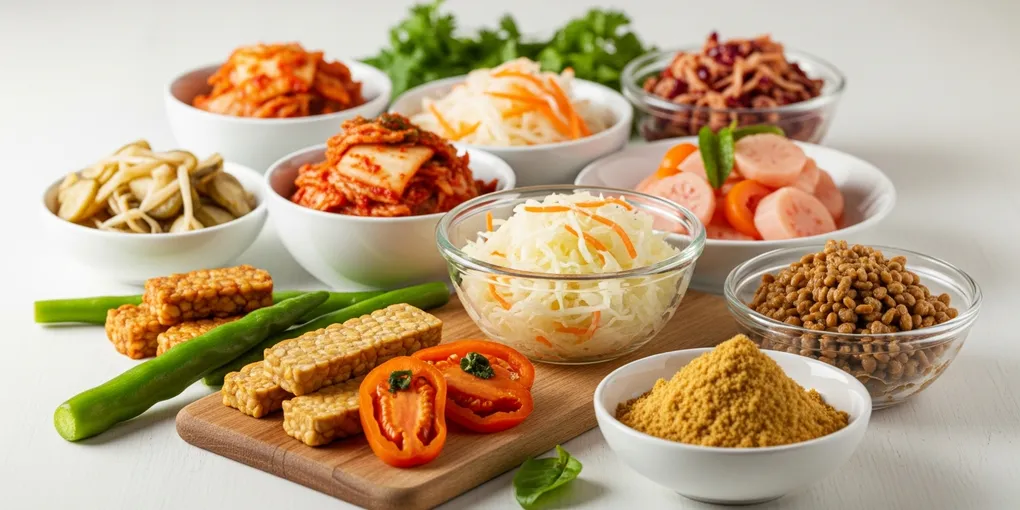
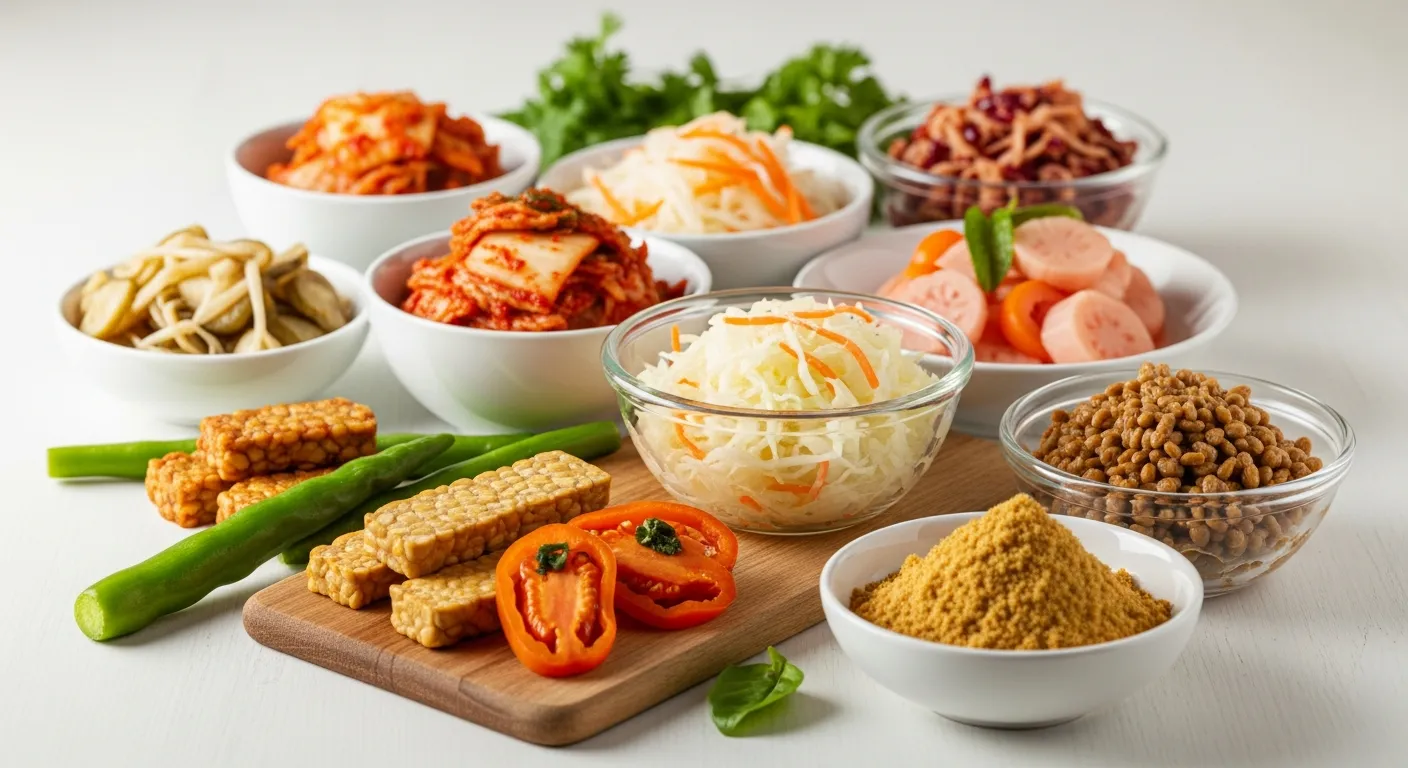
Kimchi, sauerkraut, tempeh, miso, natto, pickled vegetables——
These are the kinds of fermented foods we know, centered around plant-based ingredients. Vegetables and soybeans transform into something entirely different through the work of microorganisms (though I should note that some fermented foods, like kimchi, may include seafood ingredients, so not all are completely plant-based). In recent years, these fermented foods have been gaining worldwide attention for their connection to health.
On June 23, 2026, a comprehensive review article on the relationship between fermented foods and your body’s microbes was published in Nature Reviews Microbiology, one of the most respected journals in microbiology (Article title: “Fermented food microbiome: influence on oral and gut microbiota, and human health”, DOI: 10.1038/s41579-026-01333-8).
What makes this review unique is how it views fermented foods as part of one continuous flow from “the mouth (oral cavity)” to “the gut.” It organizes how fermented foods relate to your body’s microbes through a fresh perspective called the “oral-gut axis.”
I want to be clear about something from the start. This is a review article that synthesizes existing research——it’s not presenting new experimental findings that prove something. It’s not claiming that “eating fermented foods makes you healthy.” Rather, it takes previous research and organizes it systematically to point toward future directions.
What Is “Fermented Food Microbiome”?
First, let me clarify the central idea behind this review.
The review treats fermented foods not simply as “food,” but as a “fermented food microbiome.” Microbiome is a term that refers to the collection of microorganisms and the totality of their functions.
According to the paper, the fermented food microbiome is composed of three key elements:
- Living microorganisms (like lactic acid bacteria——living microbes in the food)
- Their genetic material (the genes that microbes carry)
- Metabolic byproducts (compounds that microbes create during fermentation)
And fermented foods supply the body with these elements in the form of “probiotics (beneficial living microbes),” “prebiotics substrates (food for beneficial microbes),” and “postbiotics metabolic compounds (compounds created by microbes).”
In other words, fermented foods aren’t just about “living bacteria.” They’re complex entities that simultaneously contain “food for bacteria” and “compounds that bacteria create.” This way of thinking is an important framework for understanding how fermented foods work.
Why Plant-Based Fermented Foods Are Getting Attention
This review places special emphasis on plant-based fermented foods.
The paper points out that plant-based fermented foods “more consistently enhance microbial viability and mucosal interactions within a structured food matrix.” It suggests that plant-based fermented foods may have different characteristics from fermented dairy products when it comes to microbial survival and interaction with the gut lining.
Let me explain this in simpler terms. Plant-based fermented foods have structures derived from plants, like dietary fiber. This “structure” may act like a container that protects microorganisms, helping bacteria survive the journey to the gut or interact with the gut lining. That said, how many living microorganisms are actually in fermented foods varies depending on the type, production method, and whether it’s been heated or preserved. For example, miso soup——which is eaten heated——or store-bought products that have been heat-sterilized will contain different amounts of living bacteria.
Kimchi, sauerkraut, tempeh, miso, pickled vegetables——all of these combine plant fiber with fermentation microbes. The review suggests that this combination may be meaningful in how these foods interact with your body’s microbes.
But this doesn’t simply mean “plant-based fermented foods are better for your health.” We’re still at the stage where these characteristics are being pointed out from the perspective of microbial survival and mucosal interaction.
The “Oral-Gut Axis”: A Fresh Perspective
The most distinctive aspect of this review is the concept of the “oral-gut axis.”
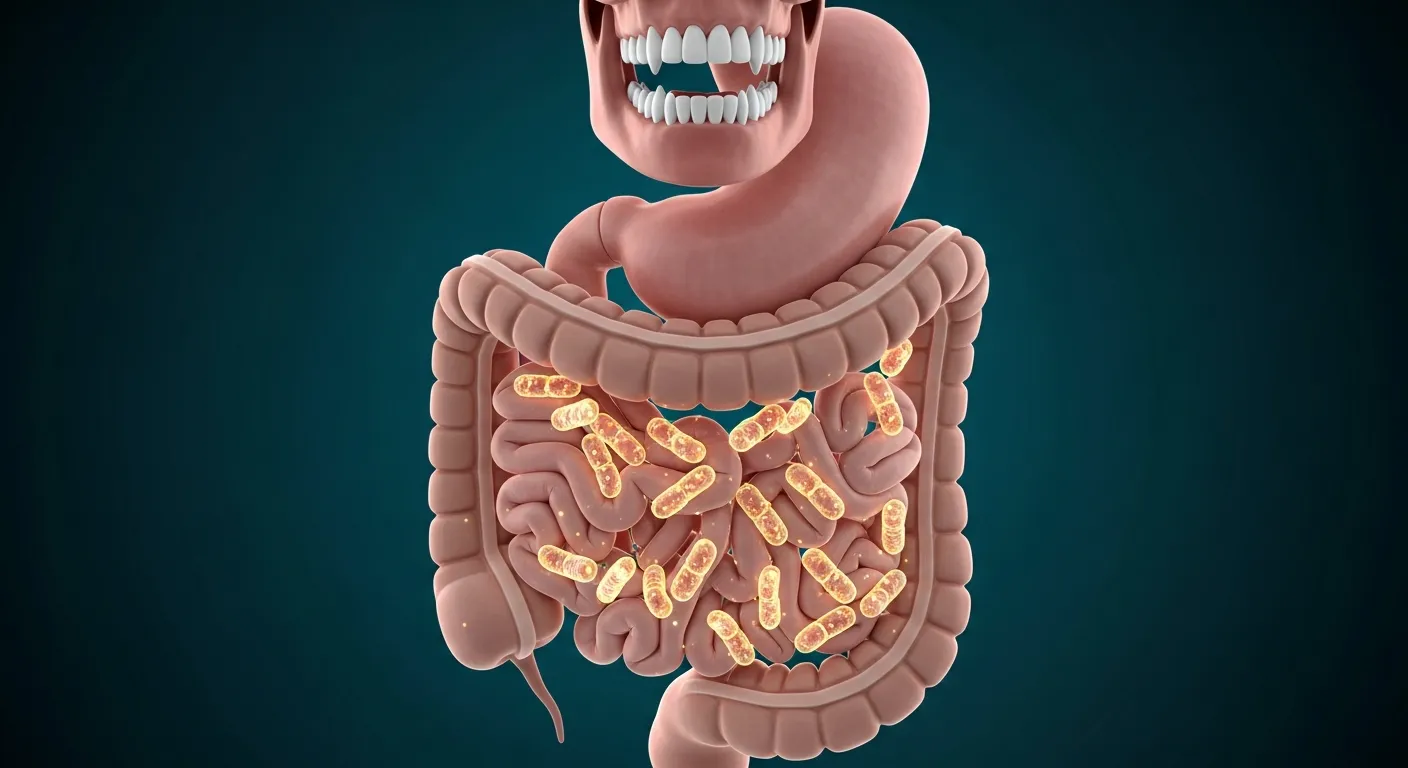
When we eat fermented foods, they first pass through our “mouth.” Our mouths are actually home to many microorganisms (the oral microbiome). Then food travels down the throat, through the stomach, and reaches the gut. The gut hosts an enormous number of microorganisms (the gut microbiome).
Until now, mouth microbes and gut microbes have usually been studied separately. But this review reframes both as part of one continuous flow——the “oral-gut axis.”
The paper notes that fermented foods are involved in both “microbial exposure via the oral-gut axis” and “signaling via metabolic compounds.” In other words, fermented foods may interact with your body through microbes and compounds across the entire path from mouth to gut.
The mouth is the gateway to the digestive tract, and the gut is a treasure trove of microbes. By viewing fermented foods as part of the flow connecting these two, we may begin to see relationships that were previously invisible.
Impact on Immunity and Metabolism, and “Precision Nutrition”
The review also organizes what we know about how the fermented food microbiome might influence immune function and metabolic resilience.
It summarizes the research exploring how microbes and metabolic byproducts supplied by fermented foods relate to immune and metabolic responses. But again, this is still at the research stage——we’re at the point where these connections are being studied, not where specific effects are guaranteed for everyone.
And looking toward the future, the paper proposes a roadmap for “integrating fermented food microbiome as a precision nutrition strategy.”
Precision nutrition is a new approach to nutritional science: tailoring food recommendations to each person’s unique constitution and gut environment. Rather than “fermented foods work the same way for everyone,” the idea is “let’s think about how to use fermented foods based on each person’s microbial status.” This review envisions a future of personalized nutrition where fermented foods play a role.
How to Understand This Review
Let me stress an important caveat again.
This is a review article——it synthesizes existing research to paint a bigger picture. It hasn’t newly proven individual effects, and it doesn’t guarantee that “eating fermented foods prevents or cures disease.”
The relationship between fermented foods and health is still an emerging area of research. Some things are becoming clear, but there’s still much to discover. That’s exactly why reviews like this one matter——they connect scattered research and show what should be studied next.
What matters most for us is not interpreting this research as “fermented foods are a magical health food,” but rather understanding calmly that “the relationship between fermented foods and our bodies is being clarified scientifically, little by little.” Fermented foods are best enjoyed as part of a balanced diet——let’s remember that.
Familiar Fermented Foods, Seen with Fresh Eyes
Still, the perspective this review offers is genuinely fascinating for those of us who love fermented foods.
The miso soup, natto, pickled vegetables, and kimchi we eat every day——they may be interacting with our body’s microbes in various ways from mouth to gut. And maybe the “structure” that plant-based fermented foods possess has real significance in supporting those microbes. When you think of it that way, every bite takes on new meaning.
The world’s leading microbiology is shining a new light on time-honored fermented foods like kimchi and miso. Modern science is trying to reframe the fermentation wisdom that humanity has cultivated through experience using new language like “oral-gut axis” and “precision nutrition.” This review lets us feel the fascination in that work.
Fermented foods may be in quiet dialogue with your body’s microbes throughout their long journey from mouth to gut. Science is still painting this complete picture.
From Toshi
Reading this review, I found it really interesting how fermented foods aren’t just something to evaluate in terms of “whether they’re good for the gut”——but rather as something that may interact with your body’s microbes from the moment they enter your mouth.
Fermented foods like miso, natto, pickled vegetables, and kimchi have always been part of our everyday lives. Yet I realized there’s still much we don’t understand about how the microbes they contain, and the compounds born from fermentation, interact within the flow from mouth to gut.
What stayed with me most was how the review doesn’t think of fermented foods only in terms of “living bacteria.” It treats them as a complex whole——encompassing not just the bacteria themselves, but the compounds that feed those bacteria, and the compounds that bacteria produce. I think this captures the profound depth of fermented foods well.
But I want to repeat: this review hasn’t proven that “eating fermented foods makes you healthy.” Fermented foods aren’t medicine——they’re part of our daily diet. Drinking miso soup, eating natto, adding a little pickle to a meal. These simple daily habits are what matter, enjoyed naturally and without forcing it.
Modern science is looking at fermented foods that have been eaten for centuries through a new lens——the “oral-gut axis” and “microbes.” In that, I feel both the age-old wisdom and the newness of fermented food culture.
Going forward, I want to cherish fermented foods not as a special health regimen, but as something that enriches our daily table.
※ This article is based on personal experience and publicly available information. It is not intended to diagnose, treat, or prevent any disease. If you have health concerns, please consult a doctor or registered dietitian. See our Disclaimer.