⏱ About 7 min read
After Many Failures, My Shoyu Koji Finally Came Together—And a Word About Niboshi Ramen
Life has been wonderfully busy lately, I have to say.
I haven’t had much time to really sit down with my blog, and the gap between posts has grown wider than I’d like. Today, though, I’ve finally cleared my schedule enough to settle in and write at a proper pace.
A Gloomy Morning, After the Typhoon
On June 26th, we got hit by our first typhoon. Then, the very next day—the 27th—a second one came rolling right through. The Kanto region got hammered by two typhoons back to back.
That night, around midnight when I was heading home from work, I looked up at the sky and the stars were absolutely beautiful. It seemed the typhoons had swept the air clean—the night sky was crystal clear and bright.
But then morning came. It’s now June 28th, and the sky is heavy with clouds. Everything looks like it might break into tears at any moment. The wind, too, feels warm and damp in a way that’s hard to describe.
The indoor temperature is 24°C (about 75°F). The humidity? A staggering 80 percent.
I’m normally someone who reaches for the air conditioning pretty quickly. But not today. I’ve got all the windows thrown open, letting the breeze flow through naturally. Yes, it’s muggy, but when you surrender yourself to the wind like this, it’s not so bad. Sweating a little while your body moves with the seasons—there’s something honest about that feeling.
On such a damp, steamy day as this, I have something I’ve been anxious about checking on. Today is the day to see how it’s turned out.
Shoyu, Natto, and Brown Rice Koji—All the Way From Ishikawa
Let me take you back ten days, to June 18th.
Around three in the afternoon that day, someone I work with from Ishikawa Prefecture sent me a package. Inside were shoyu (soy sauce), natto (fermented soybeans), and brown rice koji (fermented grain). For someone like me who loves fermented foods, it was almost too good to be true.
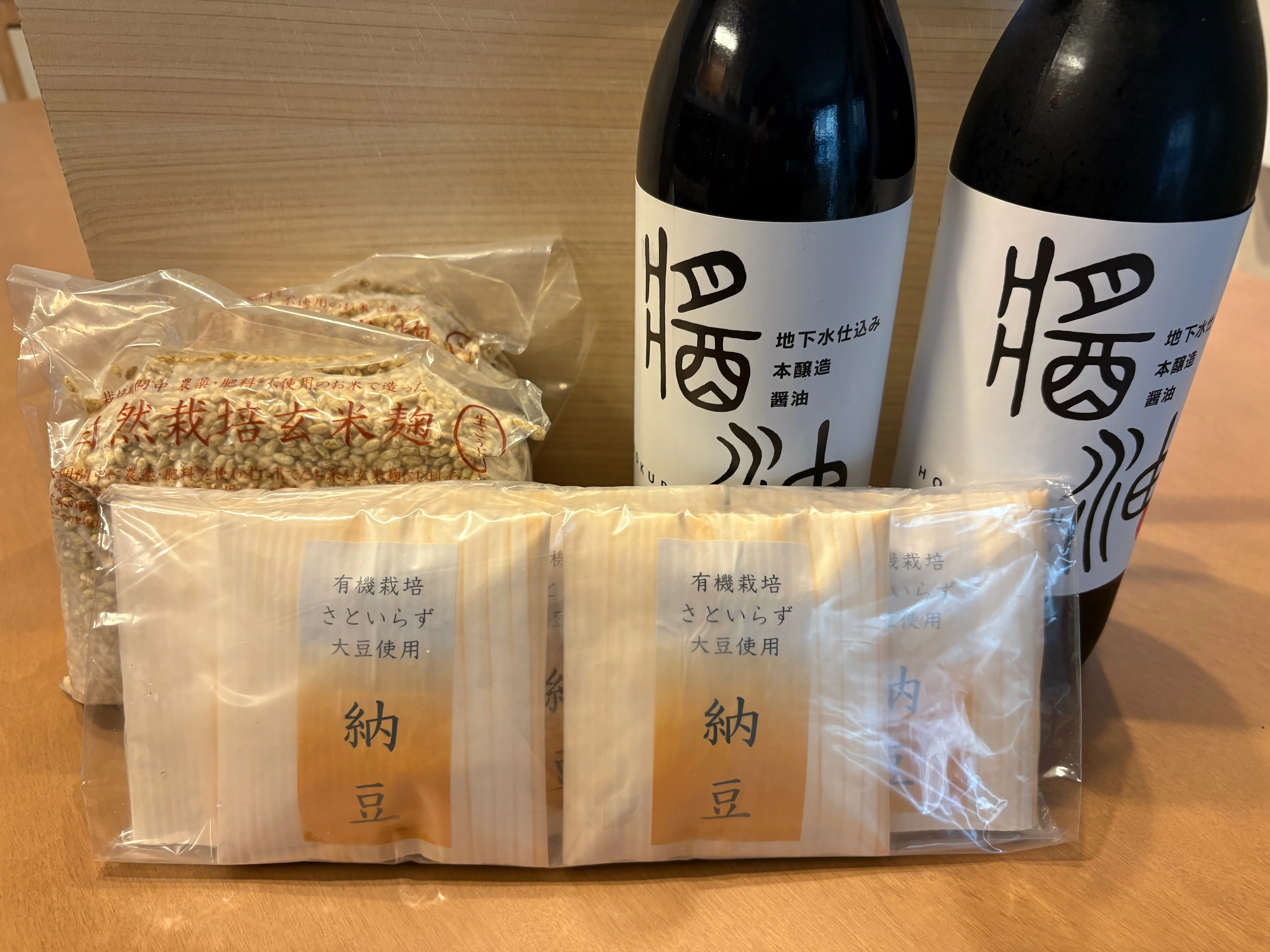
And almost as soon as it arrived—by four o’clock that same afternoon—I was already starting my shoyu koji, finishing the whole process by day’s end.
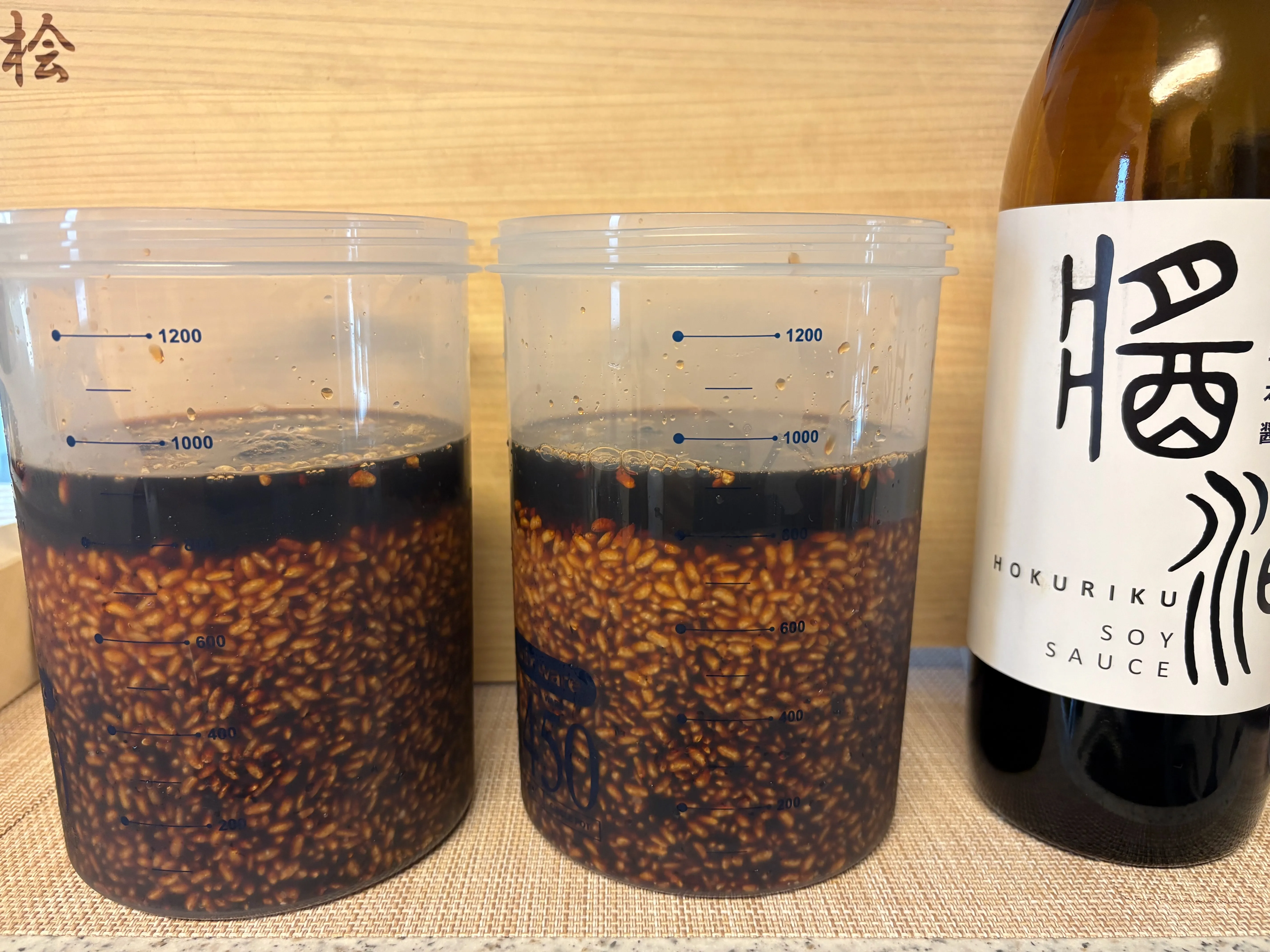
The process itself is beautifully simple. You pour soy sauce over the koji and leave it at room temperature. In four or five days, the koji softens and breaks down, creating a silky, rich shoyu koji—or so I’d been taught. It’s a versatile fermented condiment; wonderful over rice, with sashimi, mixed through vegetables. I was excited as I worked, thinking This time will be the one.
A String of Failures
To be honest, I’ve failed at making shoyu koji more times than I’d like to admit.
Even when I follow the instructions carefully, for some reason it just won’t ferment properly. The koji grains stay hard and stubborn. Days go by—four, five, even more—and there’s no sign of that silky breakdown I’m waiting for.
I’d sit there puzzled, leaving it out at room temperature, hoping.
But the fermentation wouldn’t progress. Eventually, after two weeks or so, I’d give up and move it to the fridge. Though of course, keeping it cold doesn’t exactly help fermentation along. I’d end up with something half-finished, all those koji grains still clinging together. This happened to me several times over.
Fermentation is honest work—and temperamental. It doesn’t bend to your will easily.
This Time, It Worked
And yet, here we are.
Today, June 28th, I checked on what I’d made back on the 18th. It’s been sitting out at room temperature all this time.
And what do you think?
It had turned out beautifully. Perfectly, even. The koji had softened completely, become smooth and silky, with a lovely fragrance rising from it. After all those failures, this time it worked.
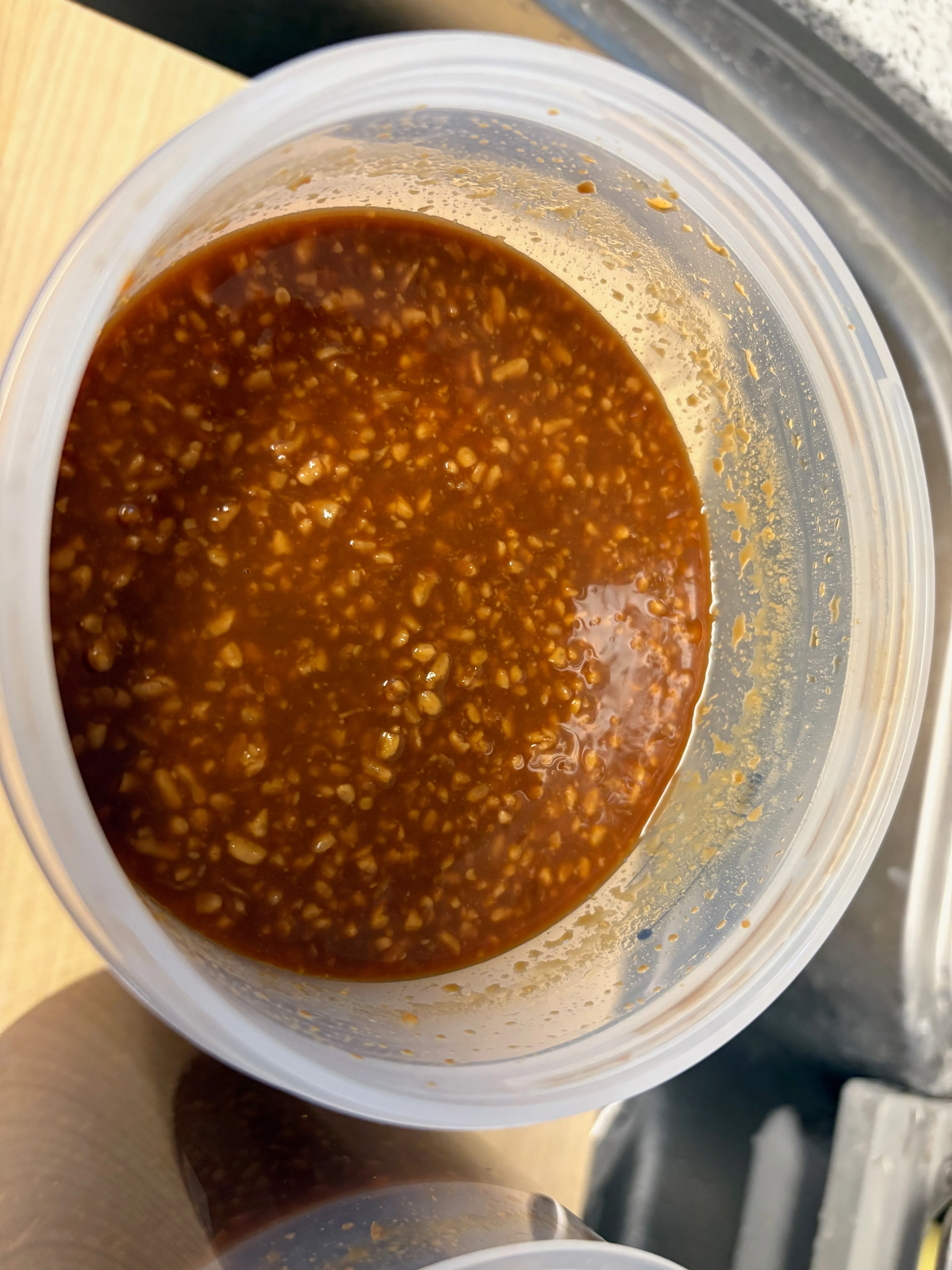
To be honest, I can’t quite explain why it worked this time. Maybe the koji itself was fresher. Maybe the temperature and humidity just happened to align perfectly. Perhaps the muggy, typhoon-season weather—the kind that’s usually ideal for fermentation—was finally on my side. I don’t know exactly why, but I know it worked, and that makes me genuinely happy.
Failures and successes, all of it together—that’s the real experience. Learning to work with fermentation means weathering those days when things don’t go right, and then one day, suddenly, they do. The accumulation of those moments is what makes it beautiful.
A High-Rated Niboshi Ramen Shop
The conversation shifts now, but still back to June 18th.
Actually, before that koji arrived, I’d eaten lunch nearby that same day.
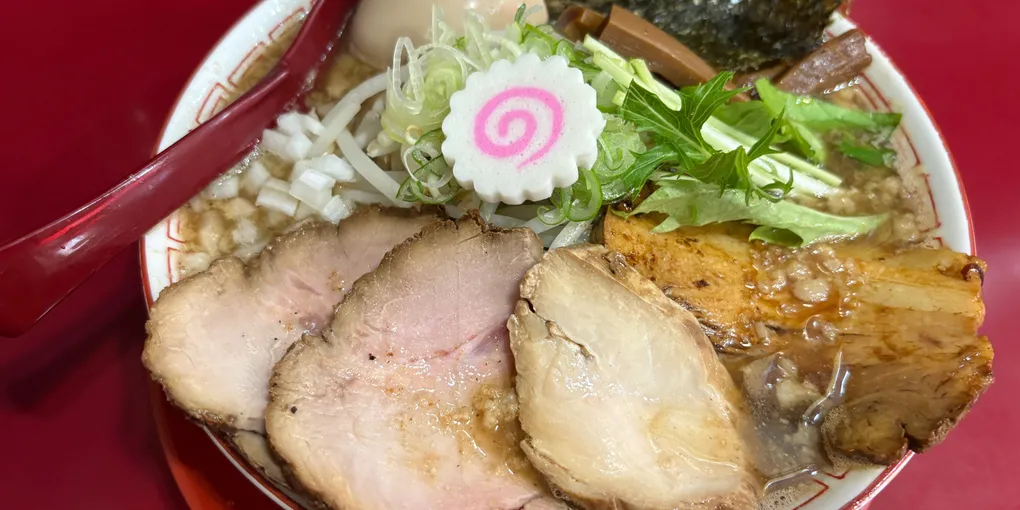
There’s a ramen shop close to my place with an excellent reputation. A solid 4.2 on Google Maps. It specializes in shoyu-based niboshi ramen—ramen built on the deep, umami foundation of dried sardines. I decided to stop by for lunch.
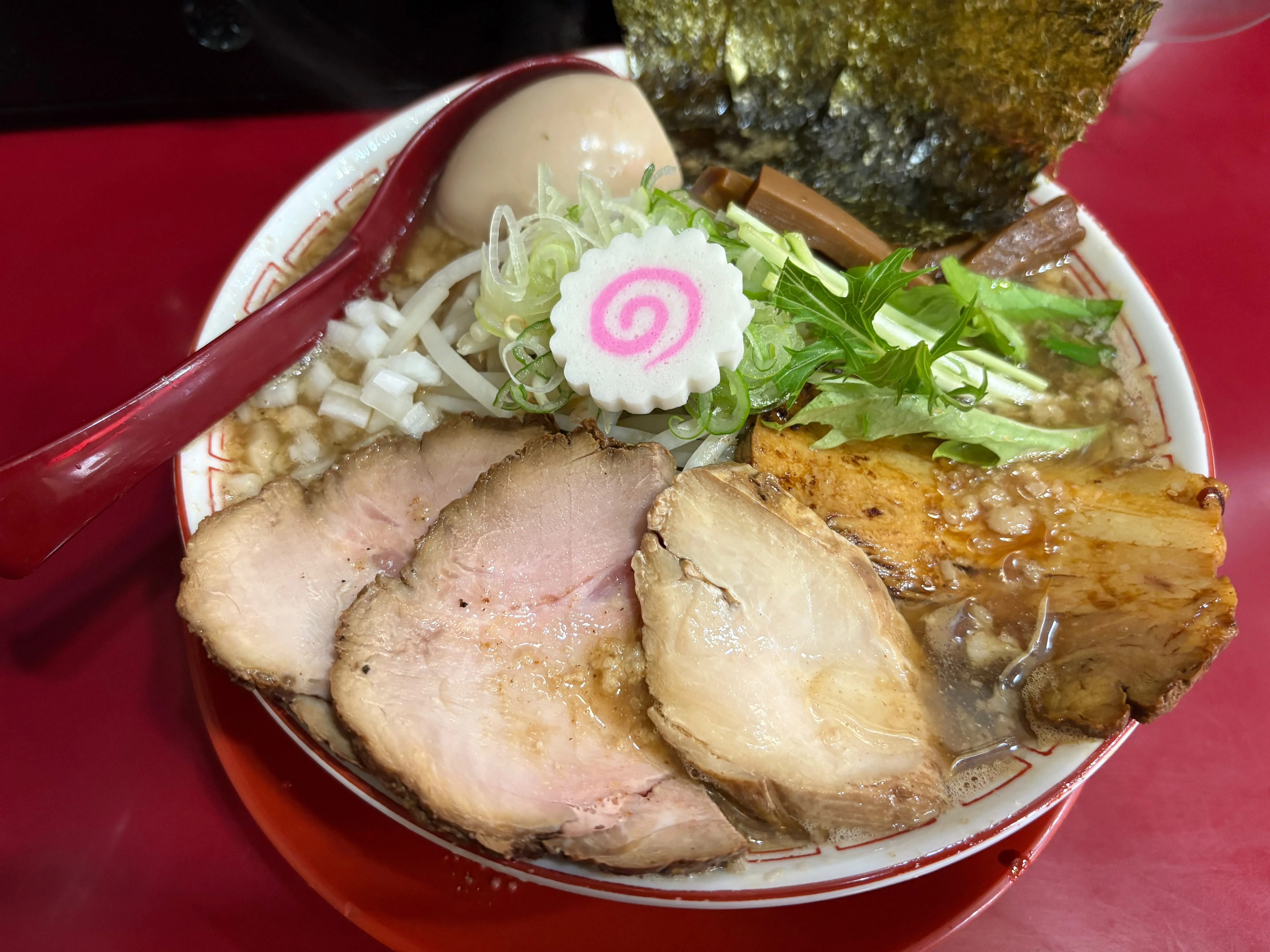
It was a masterpiece. Every single element had been considered with real care.
First, that soft-boiled egg. Incredibly tender. When you press it with your chopsticks, the yolk flows out in that perfect, silky way. They’d timed the cooking to absolute perfection—catching that ideal soft-boiled moment.
And the chashu pork. Homemade, they told me, simmered low and slow. You could smell the smoke clinging to it, and the meat was so tender it practically melted on your tongue. Unforgettable.
Even the garnish—sliced onion—added exactly the right accent, keeping things interesting all the way to the last slurp. The broth itself was rich with niboshi flavor, deep soy sauce notes layered underneath, and finished with plenty of back fat. It was rich, concentrated, genuinely decadent.
I ordered the large noodle portion.
One-fifty yen extra for the big serving. And honestly, it was already a lot of noodles, but I went ahead and ordered a half bowl of rice on top, and somehow managed to polish the whole thing off. I ate like a man possessed.
The Gift of Being Able to Eat Like This at This Age
Fifty-seven years old.
At this stage of life, I can still polish off a bowl of thick, fatty niboshi ramen—rich back fat, multiple slices of chashu pork, a large portion of noodles, plus rice on the side. And I can finish it all without a second thought.
I’m convinced this is proof my gut is genuinely healthy.
I make it a point to eat fermented foods every single day, and I make sure I walk enough. Miso, natto, pickled vegetables, and now the shoyu koji I made today—fermented foods like these, I believe, are what keep my intestines in good working order. That’s why, even when I occasionally indulge in something rich and heavy, my stomach and digestive system don’t protest one bit.
When your body feels good, your spirit feels rich too.
On this humid, post-typhoon day, my shoyu koji fermented exactly as it should have, and just a few days earlier, I got to savor every bite of an excellent bowl of ramen. It’s just an ordinary day, seeming to pass like any other, but maybe this is exactly what a good day looks like.
Fermentation works slowly, but surely, building flavor with time.
I think my own gut is doing the same—growing a little better, a little stronger, with each passing day.
Day after day of things not going as planned. Then one day, suddenly, they do. Fermentation and life—I suspect they’re not so different.
※ This article is based on personal experience and publicly available information. It is not intended to diagnose, treat, or prevent any disease. If you have health concerns, please consult a doctor or registered dietitian. See our Disclaimer.