⏱ About 8 min read
My First Time in Bangkok. Day One of My Business Trip to Amata Chonburi.
May 18th. I set foot in Bangkok for the first time in my life.
This is my second business trip to Asia — the last one was Taiwan back in 2015. But this is my first time on mainland Southeast Asia. I’ve traveled to Europe for work before, but never to a mainland Southeast Asian country like this. From the moment I stepped off the plane, everything felt fresh and new.
Suvarnabhumi Airport — Smoother Than Expected
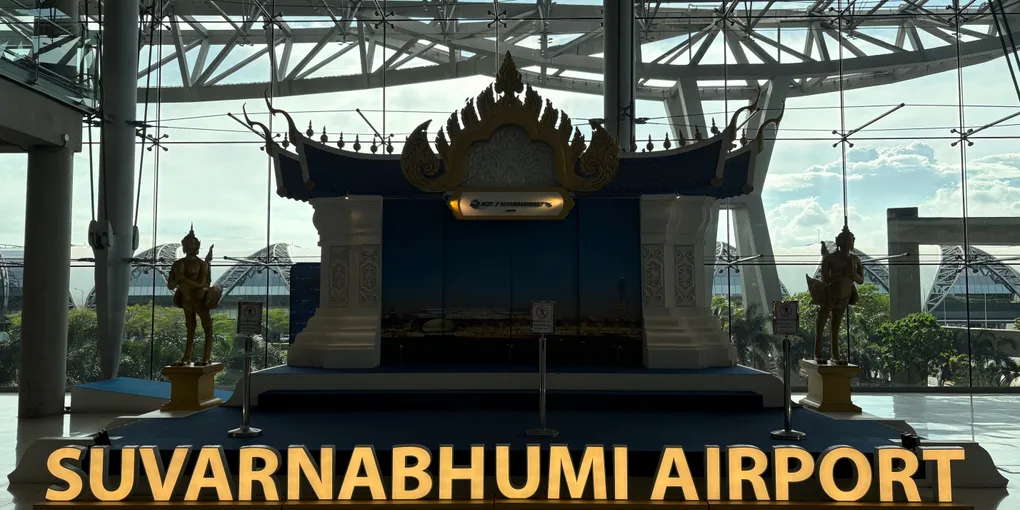
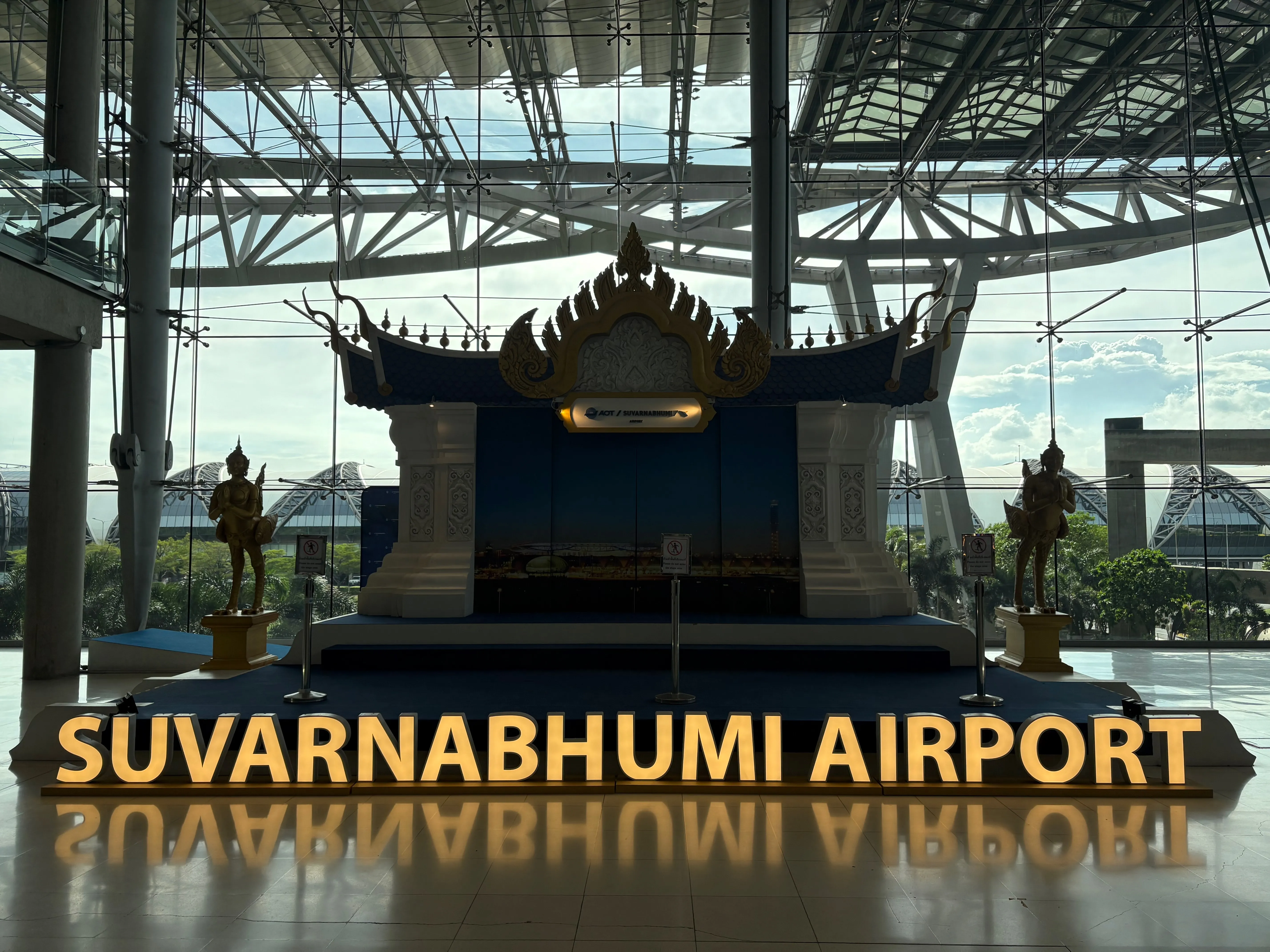
I arrived at Suvarnabhumi International Airport, Bangkok’s gateway to the world.
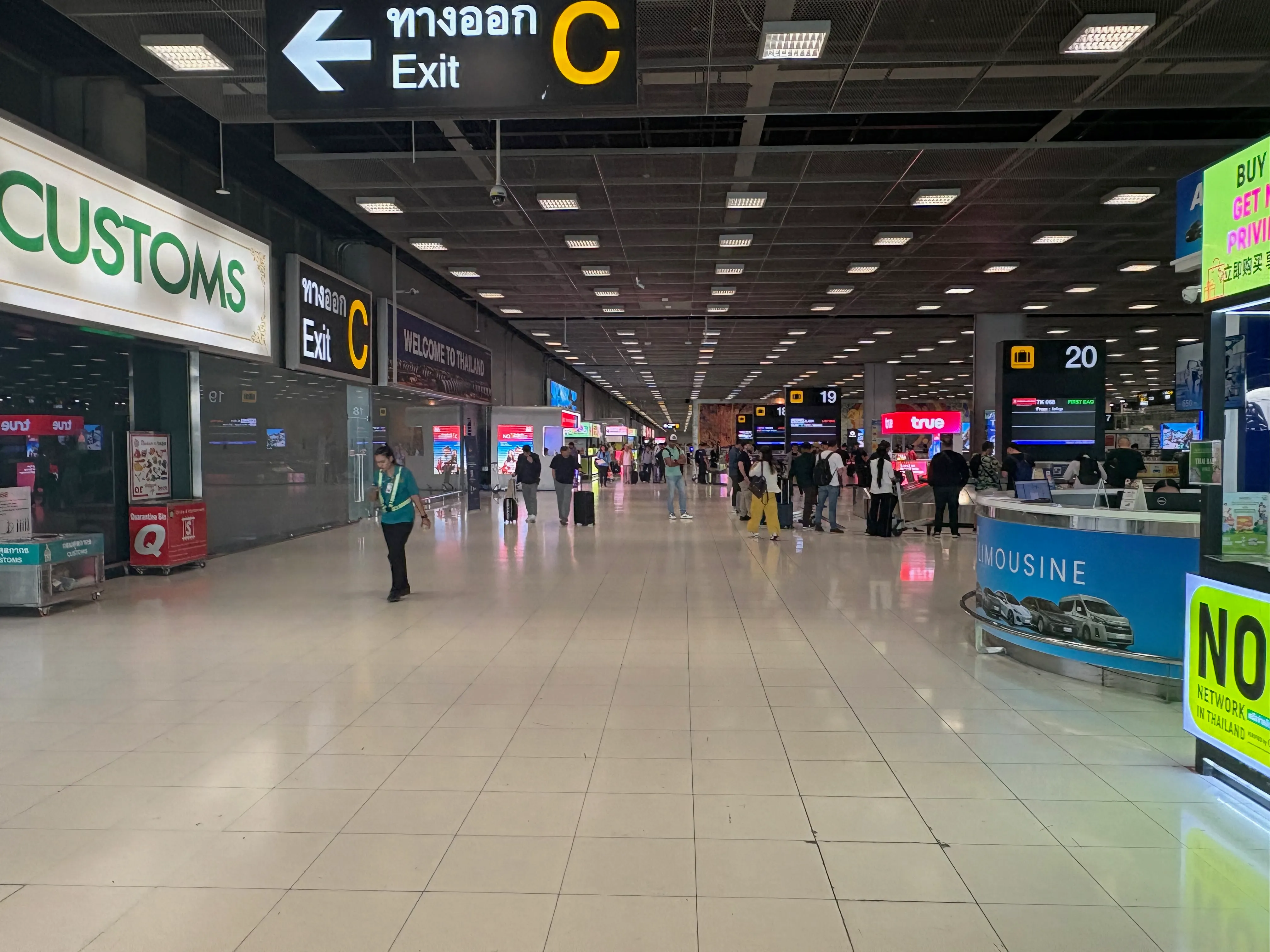
The process from disembarking to reaching the arrival lobby went far more smoothly than I’d anticipated. The signage was clear and easy to follow. Everything was well-organized. Immigration moved along efficiently. I’d braced myself a bit, thinking “This is my first time in Southeast Asia — things might get complicated,” but I was pleasantly surprised at how quickly I made it through to the lobby.
The moment I stepped outside the arrivals area, the heat hit me.
Going from the air-conditioned cabin and airport interior to the open air, I felt May in Thailand wash over my body. Tokyo had topped 30 degrees today too, but this was different. The humidity and temperature had a completely different quality to them. I took off my jacket. And I was still hot. This is what the tropics feel like.
First Meeting with Local Staff — Face and Name Recorded
I met up with Light, our local staff member, at the airport.
He took a photo of my face and wrote down my name. I was a bit startled at first, but looking around, I noticed others were being treated the same way. It seems Thailand has a custom of recording the faces and names of visitors — probably part of their security procedures. It’s not something I experience often in Japan, but I accepted it naturally as the local way of doing things.
These small differences are actually what make international business trips interesting. When you find yourself in situations where your “normal” doesn’t apply, that’s when you really start to notice what your “normal” actually is.
On the Expressway to Amata Chonburi. A Vast Plain Spreads Before Us
Light drove me to Amata Chonburi in a large Toyota vehicle. A spacious sedan with plenty of legroom. Though I could sense it wasn’t brand new — it didn’t have that crisp feel of a fresh car. But it ran well. That was enough.
The expressway was straightforward — a single route, no transfers, no getting lost. From the airport to Amata Chonburi took exactly one hour and fifteen minutes. Much simpler than I’d imagined.
The road surface was rough, though. For an expressway, the condition was quite different from what we have in Japan. The car shook. There were bumps and gaps. “This is an expressway and it shakes like this?” I was surprised. But that too was part of the local reality.
I gazed out the window the whole way. Thai scenery scrolled past continuously. What first caught my eye was the sheer vastness.
A plain stretched out endlessly. Not a proper mountain in sight. Growing up in the Tokyo area, I rarely see flatland this expansive. There was plenty of green, with factories and buildings scattered throughout. It gave me the impression of a place still under development. Plenty of empty land remained. I had a sense that it would gradually fill in over time.
And along the roadside, I saw logos I recognized.
Toyota, Nissan, Isuzu. Japanese automotive manufacturers’ factories and facilities kept appearing in view. I’d known intellectually that Thailand was a major hub for the automotive industry, but seeing it with my own eyes made it feel real. “Ah, these Japanese companies really are here,” I found myself thinking about something that should have been obvious.
As we got closer to Chonburi, mountain ridgelines started appearing in the distance. The flat terrain began to show subtle changes in elevation. But the mountains remained far away. Fundamentally, this is a country of vast plains. This topography is probably what made building these massive industrial parks possible.
Arriving at Amata Chonburi Industrial Park
After one hour and fifteen minutes, we arrived at Amata Chonburi.
Until yesterday, I was in Tokyo. Today, I’m inside an industrial park in the tropics. A two-hour time difference. Around 4,700 kilometers. But the change I feel in my body is far greater than those numbers suggest.
The industrial park was orderly. Everything was neatly zoned, with factories lined up in their designated areas. I could see the names of Japanese companies. “Japanese people are working here,” I thought, feeling a certain emotion wash over me. Soon I’d be one of them, involved in this place.
Once I was settled in, I received a brief orientation covering the general flow of things to come. I was starting to get a picture of the bigger work situation. Tomorrow is when things really begin.
That Evening — Dinner with the GM. Discussing What Lies Ahead
I got back to the hotel sometime after 10 p.m. local time — 10:20 p.m. to be precise.
I had dinner with the GM (General Manager). While we ate, we discussed the schedule ahead and the direction of the work.
What stuck with me most was the sense of momentum in this region.
“There’s much more coming,” the GM said. Not just Japanese companies, but Chinese and Korean enterprises are moving in rapidly. New buildings are going up constantly within the industrial park. I could see multiple cranes marked “Under Construction.” There’s no stopping the growth. I found myself truly feeling: this is a place that’s growing.
Depending on how partner companies and the local government move, there’s still so much potential in this region. And here I am at 56, coming here for work. I have to admit, that felt a bit proud-making.
Thai Food Is Starting to Excite Me
The food we had for dinner was delicious.
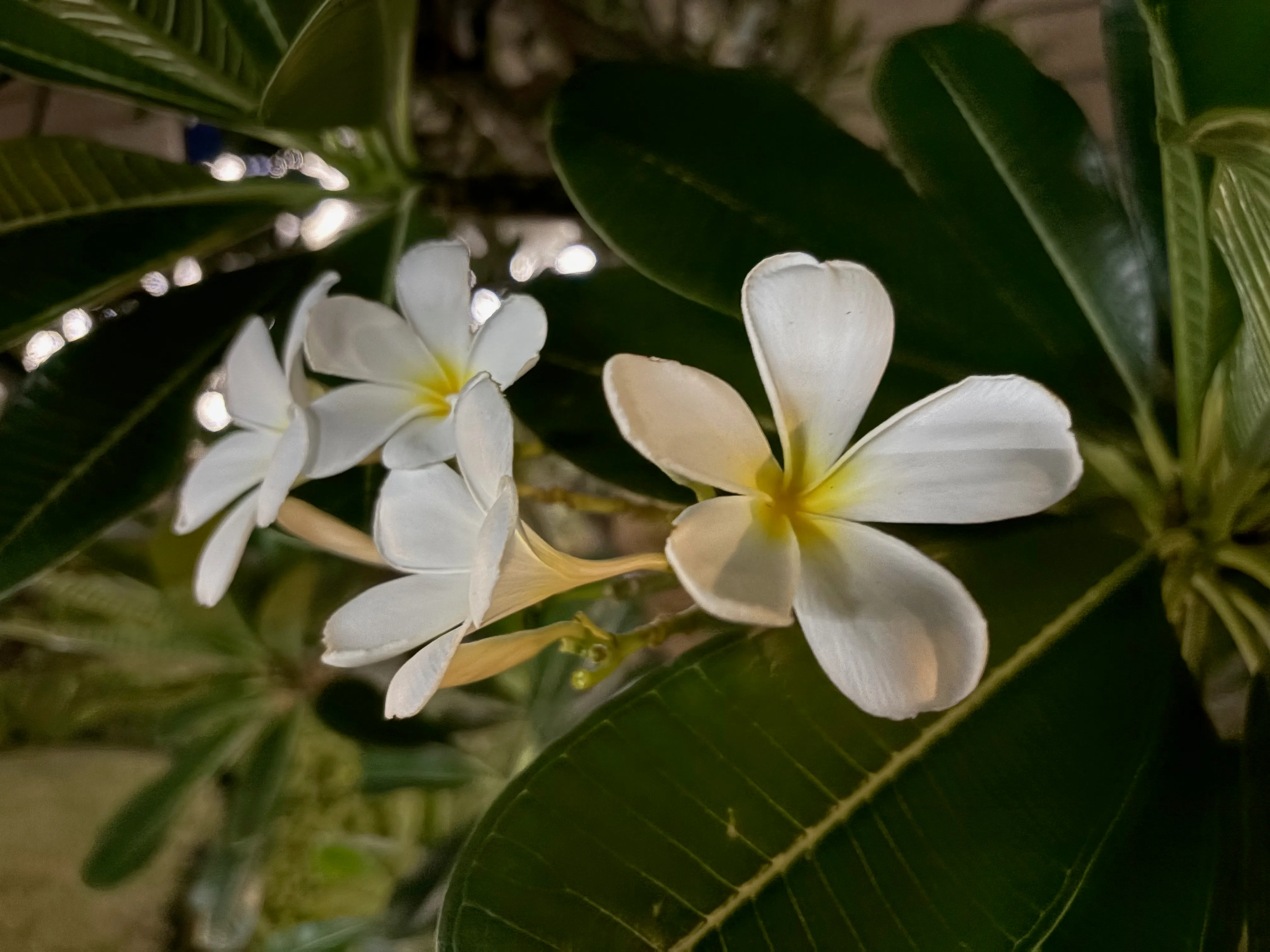
There were plenty of vegetables. The aromatic spices were rich and fragrant, yet the food felt gentle on the body. The smell of nam pla — Thai fish sauce — was definitely there. The flavor was more delicate than what I’d imagined back in Japan.
According to the GM, there are local markets and food stalls nearby. If I have a bit of time tomorrow onward, I’d like to visit them. Local everyday ingredients, fermented condiments, seasonal vegetables. Thai food culture seems to have real depth.
From a fermented foods perspective, Thai tables have some fascinating things going on. Nam pla, fish sauce, is the perfect example. It’s a liquid seasoning made by fermenting fish in salt. I could taste it in tonight’s dinner. While it’s different from Japanese soy sauce, the concept is the same — using fermentation to bring out umami and depth of flavor.
I’m becoming genuinely excited about the meals ahead.
56 Years Old, Working in a Place I’ve Never Been
Back in my hotel room, I reflected on the day.
A first airport. A first country. A first industrial park. Everything was a first. And yet my body moved. My mind engaged. I talked with people, took in my surroundings, and began picturing tomorrow’s work.
The body I’ve kept pushing through my 40s is still working for me here. All those daily meals with fermented foods, all those runs that became habit — I can feel that accumulation showing up in moments like this. There’s fatigue. But it’s the good kind.
56 years old, stepping into an unfamiliar place for work. I don’t think that’s a small thing.
People often think of your 50s as a time when the body starts to decline. But the reality is different. Through daily effort and consistency, your body shows up for you. Today is proof of that.
Tomorrow is when the real work begins. I’ll do it well.
How My Body Is Doing Today
I’m honestly feeling the fatigue of travel.
The flight, the new environment, the heat — it’s been a stimulating day for my body. And yet my stomach and digestive system feel fine. I ate dinner with a good appetite.
I think it helped that the day before departure, I’d eaten simple meals — rice, miso soup, and some nuka-zuke (rice bran pickled vegetables) — to settle my digestive system. When your gut is in good shape, even when your environment changes dramatically, there’s a sense of stability at your core.
Tomorrow I’ll eat well and work hard. When I get back to Japan, I’ll run again. That’s my rhythm now.
The night in Amata Chonburi is thick and humid. Beyond my window, tropical darkness spreads out.
Working in a new place. At 56, my body still moves.
※ This article is based on personal experience and publicly available information. It is not intended to diagnose, treat, or prevent any disease. If you have health concerns, please consult a doctor or registered dietitian. See our Disclaimer.