⏱ About 6 min read
To Bangkok. The day I left Amata and arrived at Hotaru Hotel.
8:30 AM sharp. I left Amata Chonburi.
The three of us—GM, T-san, and myself—shared breakfast together for about an hour. The usual buffet-style dining hall. The scenery was the same as yesterday, but today my suitcase was there. After packing up and heading to the parking lot, I climbed into the car. Today marked the end of my stay in this place. As I settled in for the drive, I found myself reflecting on those three days at Amata.
To Bangkok. An hour’s journey
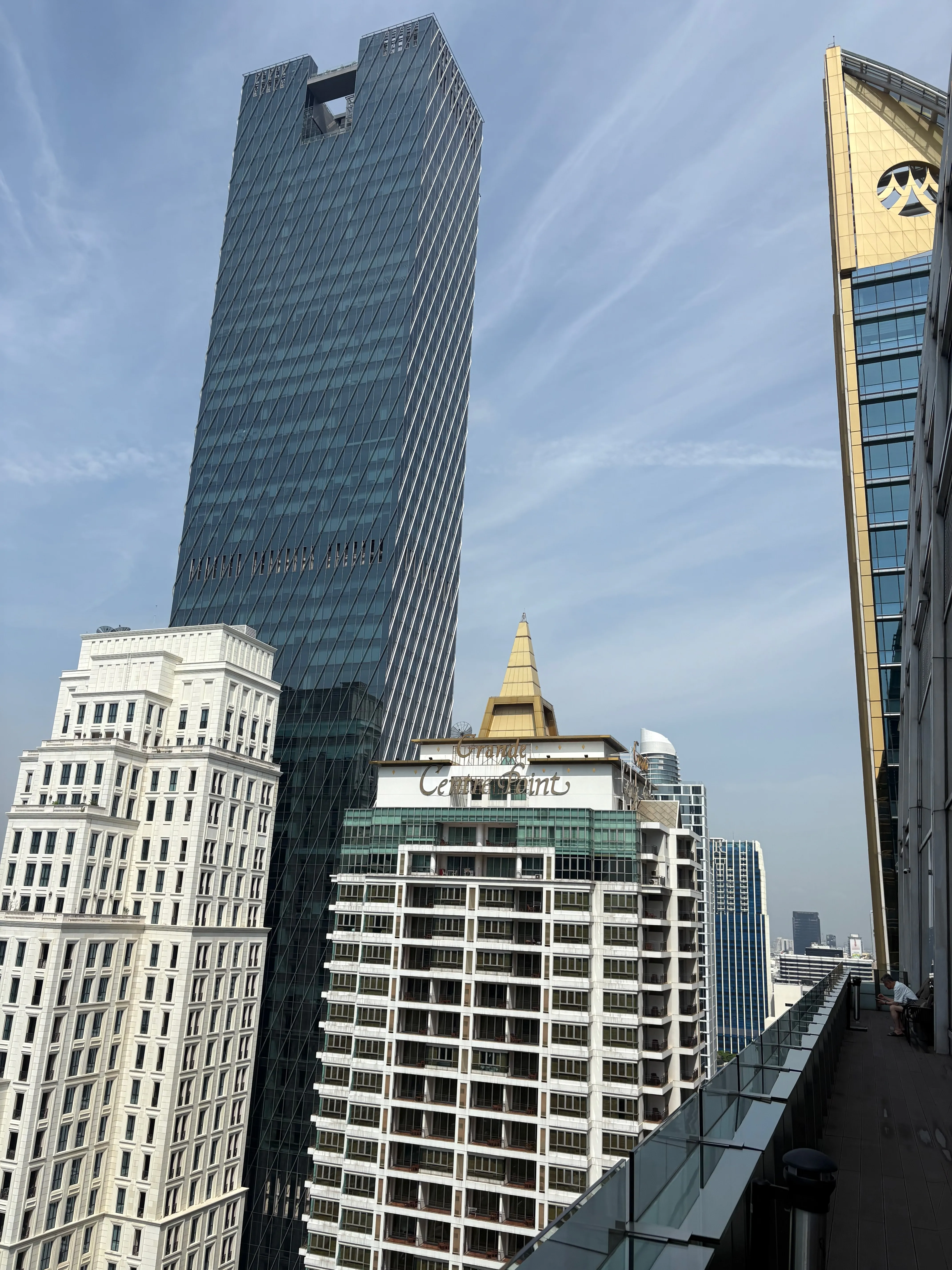
About an hour after leaving. Somewhere between 9:30 and 10 AM, I entered Bangkok.
The scenery changed.
Amata is an industrial zone. Wide roads, factories, vacant land. The human density is low, and traffic flows relatively slowly. The moment I entered Bangkok, everything shifted. Buildings lined the streets. The volume of cars increased. Motorcycles wove through gaps between vehicles. Traffic lights multiplied, congestion set in. The very air of a major metropolis seemed to seep into the car.
It felt something like being in Tokyo. Though honestly, this place might be even denser.
Along the roadside, international brand hotels appeared one after another. Famous hotel names kept popping into view. You could see just how many people this city draws from around the world. It was an entirely different world from Amata.
Lunch at Ageba Hotel
Our first stop was Ageba Hotel.
There I met up with H-san and N-san for lunch. H-san had been in contact with me ahead of this visit. N-san works at Ageba Hotel and was instrumental in making this Bangkok trip possible.
A single plate of wagyu was set before us. A thin, lightly seared piece from the chuck—the skirt area. An assortment of sashimi. Fresh pickled vegetables. Sablefish in Kyoto-style miso paste. Tempura. Every dish showed careful craftsmanship. The selection of ingredients, the heat applied, the balance of plating. While in Thailand, I was eating to a Japanese rhythm. It was a moment of genuine connection.
The conversation flowed easily. The fatigue of travel seemed to lift a little at that table.
To Hotaru Hotel
After lunch, we took a taxi to Hotaru Hotel.
Moving through Bangkok’s streets took longer than I’d anticipated. Traffic lights, congestion, lane changes. The driver handled it all matter-of-factly, steering us through the flow. I gazed out at Bangkok spreading beyond the window, and eventually we arrived.
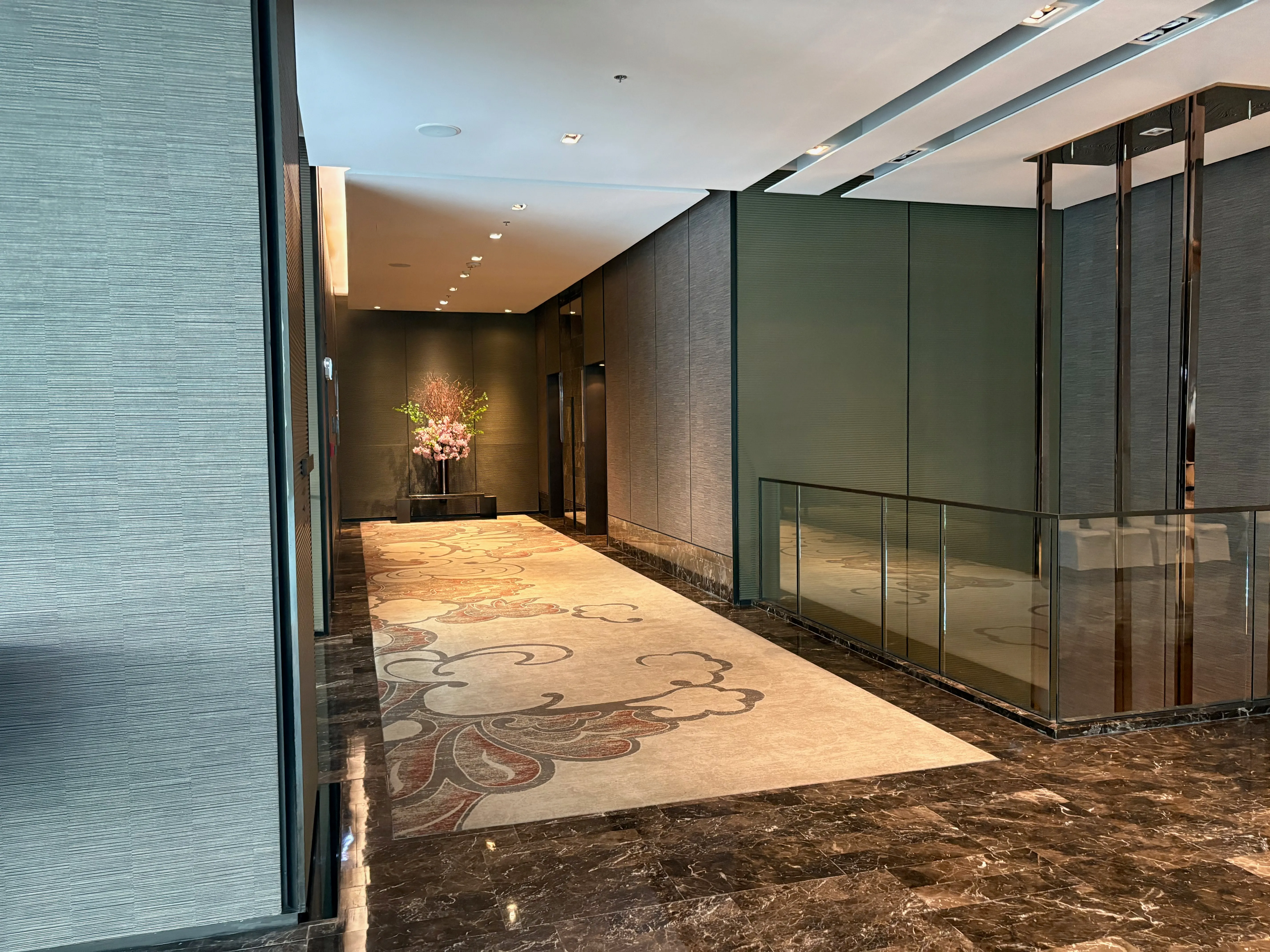
I stepped into the lobby.
It was expansive. Quiet. High ceilings, soft lighting enveloping the space. Cherry blossom motifs were scattered throughout, creating a distinctly Japanese atmosphere. It was a space to which the phrase “authentically Japanese” applied perfectly. I was also shown around the poolside area. Amid the tropical air sat well-maintained facilities. With the high temperatures, the pool looked especially inviting.
After touring the property, we headed to the teppanyaki restaurant.
The Teppanyaki Restaurant
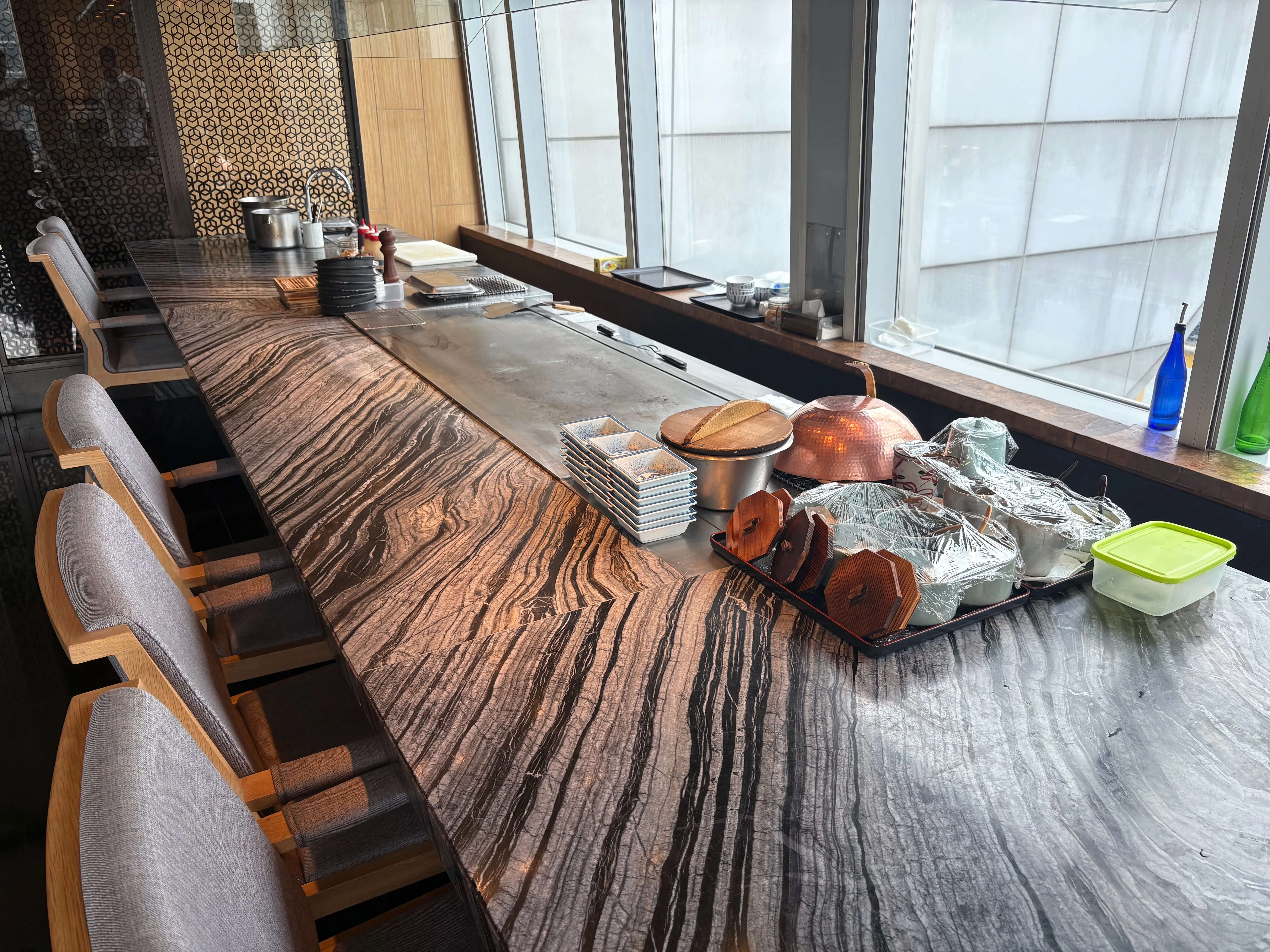
The “teppanyaki restaurant” is Hotaru Hotel’s teppanyaki establishment.
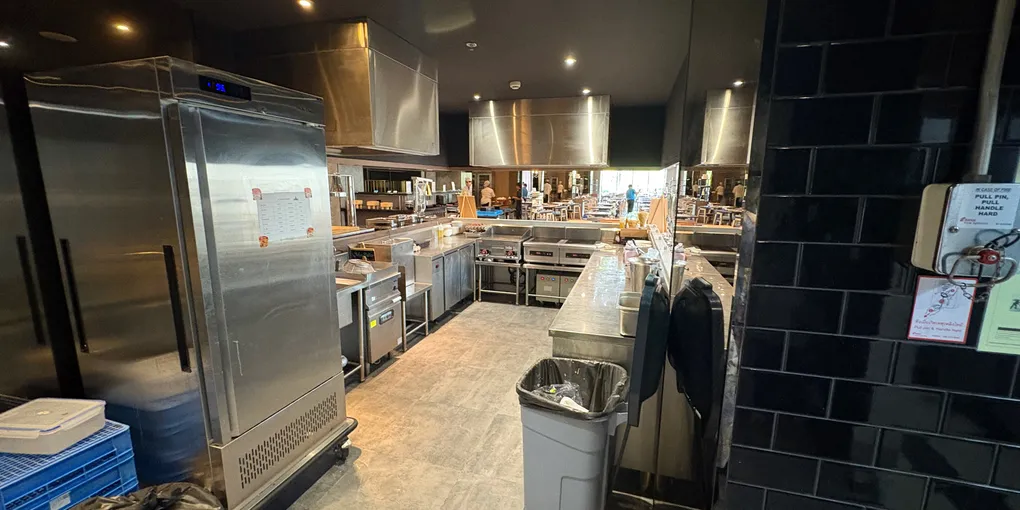
The first thing that catches your eye upon entering is the meat display refrigerator. Ingredients are arranged like a showcase, immediately raising expectations for what’s to come. The teppan itself is electric, not gas. About 1 to 2 meters wide and roughly a meter deep. Below the griddle is space for plating. To the side sits a pull-out refrigerator and a cabinet-style one. There’s also a grill station capable of grilling, similar to a yakitori setup. The equipment is solid.
What’s needed now is for “people” and “skill” to fill that space. That’s why I came here.
I realized I’d left my business cards in my suitcase, so I wasn’t able to properly introduce myself—that’s something I regret a bit. At least I was able to give them a gift. Next time, I hope to introduce myself properly.
Reflections after leaving Amata
A little time after leaving Amata, I could reflect on it more clearly.
Those three days at Amata. What struck me most was the sense that “this place is just beginning.”
Amata Chonburi has developed as an industrial zone. The population is growing. People working in the factories eat nearby and enjoy their leisure time. That demand definitely exists. The nearby Thai restaurant “Green Cross” was nearly full when evening came. The price point was about the same or slightly higher than average. And yet customers kept coming. That tells you there’s demand.
As a teppanyaki restaurant, or as a space with a bar and counter seating, the potential is significant. Teppanyaki could be the spark that ignites it.
There are challenges, though. Menu organization, price adjustments, English-language guidance, business strategy. The fine points still need work. The facility itself is wonderful. The spacious grounds and well-maintained equipment that you get in a tropical setting. But rather than luxury, it gave the impression of a standard municipal hotel. Not quite a guesthouse either. It sits somewhere in between—a calm, understated facility.
The foundation exists. The question is how to nurture it. That’s what I felt walking away from that place.
That last evening at Amata
Over breakfast with GM and T-san the morning of my departure, we talked about the night before.
The evening of May 20th. The owner came, and I stood in front of the teppan. That day, I switched from sirloin to tenderloin to stake my reputation on it. The owner was extremely satisfied, or so I heard. As far as my mission as GM goes, I felt I’d cleared that hurdle.
The staff gathering was good time too. Thai dishes came out one after another—sweet, spicy, heavy with chili heat. There was range to the spice. Some dishes were intensely hot, others mellower and more rounded. Rice noodles, pepper-based ingredients, shrimp, pork, chicken. I tried everything. White rice, side dishes, beer and alcohol. Everyone ordered in quantity together, and whatever was left, you took home. That seemed to be the dining style here.
I didn’t find one particular dish that stood out as “the one.” But the time spent eating together—that’s what stayed with me. Food isn’t just about the cooking. It’s about who you eat with and where. It’s all of that. That’s what I realized again.
Those three days at Amata Chonburi came to an end.
No matter where you go, there’s something that comes through when you stand in front of the teppan.
※ This article is based on personal experience and publicly available information. It is not intended to diagnose, treat, or prevent any disease. If you have health concerns, please consult a doctor or registered dietitian. See our Disclaimer.